Not Your Mother’s Cuppa: Expanding the Opportunities in Tea

Boba, or bubble tea, continues to grow in popularity with younger generations. Image credit: US Boba Co
There are new opportunities to grow the global tea market by moving past the ‘tea is good for you’ message and exploring new styles, formats, occasions, and tapping into younger generations preference for ‘flavour forward’ offerings. By Anne-Marie Hardie
Camellia sinensis has a rich, global history, with each region cultivating its practices for drinking tea. At a quick glance, the consumption practices today appear consistent. Green tea remains the predominant choice in China and Japan, hot black tea, usually with milk, is preferred in Canada and the United Kingdom, and the United States continues toshow a preference for iced tea and ready-to-drink offerings. However, a more detailed look reveals nuances in consumption practices as consumers recognize the diversity in a cup of tea.
Globalisation has helped break down the boundaries of how tea is consumed. Today, Camellia sinensis is being appreciated for all its complexities, entering new segments while maintaining ties to historical consumption trends. It is a story of growth and potential, providing the industry with many opportunities to share the story of tea’s versatility.
According to Mintel Reports, US, Tea, and RTD Tea, 2024, 83 percent of US adults are drinking tea, with 75 percent reporting that drinking tea feels like a healthy choice. 30 percent of US adults reported consuming instant tea in the last three months, and approximately 16 percent consumed matcha. In the US, tea is still generally consumed iced, with continued growth in the RTD format. Retail tea and RTD tea sales in the US were USD $10.25 billion, reported Mintel, with an estimated 2.2 percent growth between 2023 and 2024. By 2029, the US market is estimated to grow an additional 6 percent.
Tea is primarily prepared as a hot beverage in Canada and the United Kingdom. “We drink tea very differently than our American counterparts; we drink it hot, with milk and sweetener similar to the UK,” said Shabnam Weber, president of the Tea and Herbal Association of Canada (THAC). In response to this practice, the most consumed black teas in both regions tend to be stronger, full-body blends.
“There’s a lot of opportunity within this market,” said Weber. “We’re a growing country, and demographically, we have so many people from different parts of the world that already know tea, so I think there’s a growth opportunity.” Today, most tea imported into Canada comes from the United States and the United Kingdom.

The sparkling tea trend is beginning to catch on globally. Image credit: TÖST
“We’re drinking an estimated 100 million cups of Camellia sinensis a day,” said Dr Sharon Hall, chief executive of the UK Tea and Infusions Association (UKTIA). “If we added in the herbal, fruit infusions, which are increasingly popular in the UK, that number would be even bigger.” In the United Kingdom, tea remains the nation’s favourite beverage, with the majority being drunk from home.
“Specialty black tea, fruit/herbal and green tea all enjoy a mainstream presence,” shared Kiti Soininen, head of UK food and drink research, in Mintel’s tea and other hot drinks division. “Their higher usage among the younger generation bodes well for long-term growth. “
There are several areas of opportunity for the tea industry to tap into that can help increase demand across demographics. These include highlighting health attributes like focus, improved concentration, and energy, focusing on flavour, and expanding beverage options suited for younger demographics.
“Generally, consumers know that tea is good for them,” said Weber. “I think that the messaging the industry has been pushing for the past few years has penetrated, and people know that it benefits both physical and emotional wellness.” When it comes to health attributes, she stressed the importance of extending beyond cardiovascular and brain health to bring forward the health attributes that would appeal to younger demographics. Younger consumers are looking for variety in their teas, with flavour and experience being the principal drivers for consumption. “They want things that taste good, and that’s a message that we keep repeating over and over; sustainability and all of its elements are important; health is, of course, important, but quality and flavour remain the number one reason why anybody reaches for a beverage,” said Weber.
In the UK, Hall has identified a similar trend, emphasising that the number one reason that the 18 to 24-year-old demographic states that they are drinking tea is for the taste.
Consumption in the United States still tends to be more health than flavour-driven, presenting an opportunity for brands in the country to share the flavour story to drive demand for consumption.

RTD tea is gaining popularity in new markets like the EU and UK. Image credit: Remedy
“Fewer than 40 percent of tea drinkers rate the most common types of tea as a taste they enjoy,” reported Paige Leyden, research manager food service, US, in the Mintel Report, US, Tea and RTD Tea, 2024. “Given that flavour leads food/drink choice, the category must boost its taste perception to compete with other beverages. Tea introductions that score highest for “tasty” promote bold flavours, sweetness, and familiar ingredient blends.”
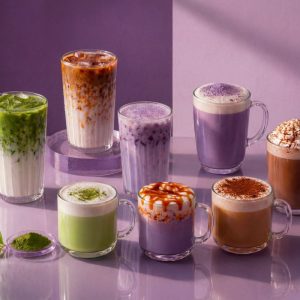
In China, there has been an expansion in freshly prepared tea drinks, including bubble tea, tea mocktails, and matcha drinks. In addition, you’re seeing a wave of interest in affordable bottled tea drinks, and those tea segments combined are eating up more demand for tea in China. According to Mintel Reports, China, Tea Drinks, 2024, 52 percent of Chinese adults, ages 18-59, associate innovative preservation methods for freshness with a premium packaged tea drink. “Because of economic factors within China, fewer people are going to Starbucks and the more premium coffee shops, and you’re seeing a wave of interest in affordable bottled tea drinks,” said Jason Walker, marketing director, Firsd Tea, North America.
Research experts for Statista in Greater China reported that China’s ready-to-drink tea market had a retail sales value of 143.4 billion yuan in 2023 and is estimated to reach 203.2 billion yuan by 2028, making China the second largest RTD beverage industry by size. Premium RTD beverages, often prepared with leaf tea, dominate this market.
Beverage company Nongfu Spring, Hangzhou, China, provides several brands to the Chinese market, including Oriental Leaf tea, unsweetened premium iced tea available in six tea types including jasmine, oolong, and pu’erh, mix milk tea, made with tea leaves, milk and badam, and sparkling tea, providing consumers with an alternative to soda.
Targeting New Areas for Growth
The demand for premium RTD tea beverages is expanding into other regions of the globe. “Ready-to-drink is the fastest growing [tea] segment in North America, with lots of opportunity for continued growth,” said Weber. The tea industry is far from stagnant, with several wellness drivers helping gain momentum for this beverage, including sober, curious, healthier beverage alternatives, hydration, sleep, beauty, and health.
One area of opportunity shared by Soininen was in cold tea-based drinks and iced tea, helping shift the perception that tea is solely a hot beverage option.
“RTD is a huge market here in the EU. You definitely see bottled iced tea with the major brands that you would see in North America being represented,” said Hall. “Matcha is the biggest one that we see more chatter about, in all its forms, including RTD options.”
The growth in the ‘sober curious’ trend is expanding globally, expanding the opportunity for tea to enter the out-of-home consumption category. “The mainstreaming of alcohol avoidance and moderation has opened up usage occasions for hot drinks, with tea as a popular option,” said Soininen. The demand for nonalcoholic alternatives is flourishing globally, with several brands, including Sparkling Tea, Copenhagen, Denmark; TÖST, Vermont, United States; and Three Spirit, United Kingdom, integrating tea to develop these alternatives.” You can go into any pub or restaurant now, and there will be zero-alcohol offerings,” said Hall. “Teas that look like sparkling wines are becoming increasingly popular.”
Bubble or boba milk tea continues to grow across all regions, tapping into the younger demographics’ desire for flavour-forward, aesthetically pleasing beverages. There is also a rise in masala chai shops, with several large companies opening throughout the region, including Chaiiwala, which now has over 80 stores throughout the United Kingdom, and several bespoke masala chai shops providing consumers with an opportunity for a tea experience.

DavidsTea’s La Vida Coco mocktail tea Image credit: DavidsTea
Educating consumers about what’s in the cup is vital to help demystify tea and help recognize its versatility. “We did a fascinating research study which involved showing people cups of latte-based tea, including chai lattes, Earl Grey, and matcha, asking them to identify whether the drink was tea or coffee,” said Hall. “Over 40 percent of the individuals mis-attributed the beverage to coffee because it was a latte, barista prepared drink.”
Continuing to share the diverse tea stories with both consumers and the industry will both deepen the understanding of this product and present new opportunities. This includes promoting the producing countries, their tea culture, and how the various tea consuming practices can be adopted throughout the globe.
Anne-Marie Hardie is a freelance writer, professor and speaker based in Barrie, Ontario. She may be reached at: [email protected].
Topics
consumer trends Global tea industry market growth Tea consumption habits
PeopleAnne-Marie Hardie Dr Sharon Hall Jason Walker Kiti Soininen Paige Leyden Shabnam Weber
OrganisationsChaiiwala Firsd Tea Mintel Nongfu Spring Sparkling Tea Statista Tea and Herbal Association of Canada (THAC) Three Spirit TÖST UK Tea and Infusions Association (UKTIA)
RegionsCanada China Denmark India Japan United Kingdom United States