Healing in a Cup: Women’s Wellness Drinks Category is Booming
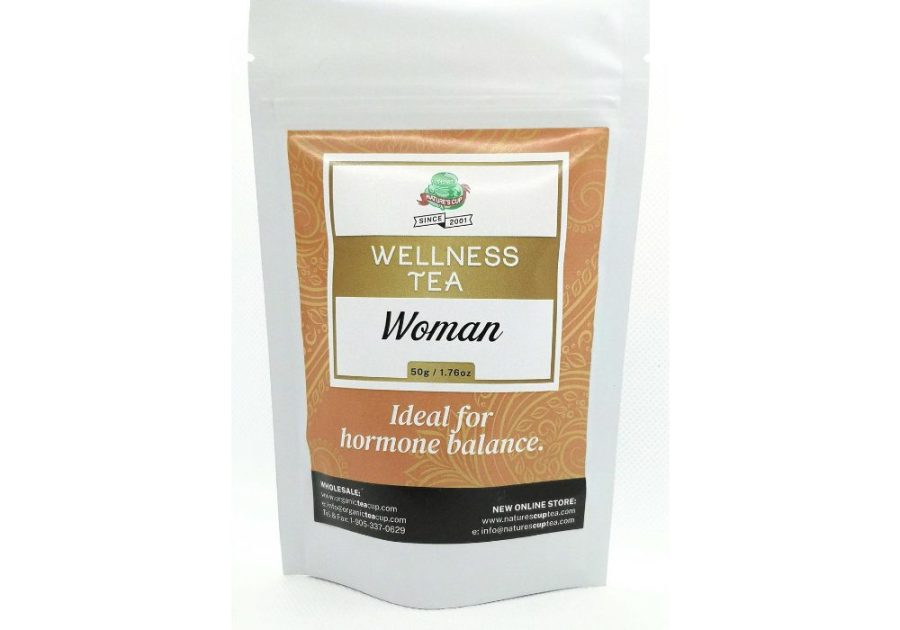
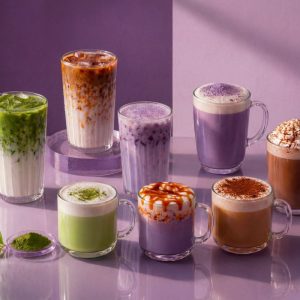
The women's wellness products market is on a fast-growth track. Image credit: Natures Tea Cup
A new wave of teas and coffees designed specifically for women is flooding the market, offering relief for everything from stress to hormonal imbalance. Fuelled by demand for holistic alternatives, the segment is expanding quickly — and attracting serious investment.
The global women’s wellness products market is on a fast-growth track, with sales estimated at close to USD $290 billion in 2025 and projected to reach $549 billion in 2033, according to a forecast from market intelligence firm, Grand View Research. Importantly, functional food and beverages account for around 57 percent of this market, representing the largest segment.
Consumer interest in women’s wellness beverages, including tea and coffee, is seeing strong momentum, driven by a broader shift toward preventive health and personalised nutrition, commented Nandini Roy Choudhury, senior analyst with Future Market Insights, a think tank.
“Women are increasingly seeking products that support hormonal balance, menstrual health, fertility, pregnancy, and menopause management, moving beyond general ‘healthy beverages’ to more targeted solutions,” she said. Quite a few companies in different corners of the world have emerged over the last few years, offering tea and coffee specifically crafted for women’s health.
This segment opened up vast opportunities for Desi Grub, a wellness product company in Nepal, which has designed a range of Women’s Wellness Tea solutions, according to KN Modi, a spokesperson for the company. “Our product
development team had identified various issues concerning the health of women, such as acne, scars, menopause, hot flashes, irregular menstrual periods, PCOS, and PCOD,” Modi said, adding that several formulations have been introduced to address these issues, and the results were encouraging.
“Most women reported benefits such as a regular menstrual cycles, skin glow, increased energy, reduced fatigue, and above all, self confidence,” Modi shared.
Woman’s wellness tea has also been a strong driver of business growth for Full Leaf Tea Co, an Oregon-based tea company, according to Avery Jantzer, a PR manager for the Full Leaf Tea Co. “We’ve seen significant growth in demand for our women’s wellness teas,” she said, attributing this to increased awareness and education surrounding natural remedies. “More consumers are actively seeking alternatives to pharmaceuticals and are turning toward plantbased, holistic approaches to support their health,” Jantzer added.
As this demand has grown, the company has been expanding its women’s wellness line to better meet customer needs.
“Some of our most popular blends include Organic Cycle Support, Organic Menopause Relief, and Organic Pure Seduction for Her. This expansion reflects not only increased interest, but also a broader shift toward lifestyle-based wellness solutions,” Jantzer said.
Consumers are increasingly looking for more from their daily coffee ritual, which also drives the demand for woman’s wellness coffee, commented
Stephanie Hoffman, vice president of operations at Bulletproof. “It is no longer just about caffeine, it’s about products that deliver functional benefits in a convenient, enjoyable format,” she said. “Coffee has become a powerful delivery system for ingredients that support both physical and cognitive performance.”
Between Promise and Proof
The opportunity offered by wellness products to the coffee industry is clear, commented Kirsten Nelson, communications director with the International Women’s Coffee Alliance (IWCA). “Wellness positioning can differentiate products, attract new consumers, and expand how coffee is understood beyond commodity or specialty categories. It can also create new revenue streams through product diversification and brand development,” she said.
The key challenge this product category is facing is credibility, Nelson emphasised. She explained that coffee already has a well established scientific profile. When new health focused claims are introduced, especially around
functional ingredients, they require a higher standard of evidence and clear communication. “If claims are vague or overstated, consumer trust
erodes quickly,” Nelson explained.
Many formulations rely on traditional knowledge but lack robust clinical substantiation, which can limit credibility, Choudhury said.
As a result, a significant portion of consumers show increasing scrutiny around “wellness washing” and exaggerated claims — something that could damage the reputation of the entire segment.
Consumer education is an important constraint for the companies operating in this segment, according to Nelson. “There is a gap between how products are marketed and what consumers actually understand about sourcing, production, and impact. Bridging that gap requires transparency and consistency, not just messaging,” she noted.
One of the primary challenges in this category is effectively educating consumers on the benefits of the ingredients without coming across as overly promotional or “gimmicky,” Jantzer said.
“In today’s wellness landscape, consumers are understandably cautious, so building trust through transparency and clear, honest communication is essential, Jantzer added.
From IWCA’s perspective, Nelson continued, the central issue is alignment. If wellness is used as a positioning tool without improving access, pricing, or opportunity for women at origin, it remains a marketing layer. If it is used to strengthen connections across the value chain and support more equitable participation, it becomes a meaningful driver of change.
A Shift in the Brew
Functional coffee is fast becoming the category’s growth engine, challenging tea’s early dominance. In parallel, a shift toward evidence based claims is beginning to redefine how products are developed — and marketed.
The category is being shaped by a convergence of functional ingredients, lifestyle shifts, and format innovation, according to Choudhury.
The women’s wellness coffee segment is evolving toward more multifunctional, purpose driven products that seamlessly fit into daily routines, Bulletproof’s Hoffman said. “We expect to see continued growth in formats that combine
energy with additional benefits — whether that’s cognitive support, protein, gut health, or metabolic function.”
One of the biggest trends shaping this space, Hoffman noted, is convenience without compromise. The rise of protein coffee, for example, reflects a broader shift toward combining morning rituals with meaningful nutrition. “For many women, this offers a simple way to support daily protein intake while maintaining the familiarity and enjoyment of coffee,” she said.
The women’s wellness tea and coffee segment is far from uniform, reflecting a highly individualised approach to health where consumers seek solutions tailored to their specific needs and life stages, Choudhury noted.
Rather than a one-size-fits-all proposition, the category spans a wide range of functional benefits: from hormonal-support botanicals such as ashwagandha, maca root, chasteberry, and red clover, to adaptogens like rhodiola, holy basil, and ginseng, targeting stress and resilience.
Other formulations focus on gut and metabolic health, incorporating probiotics, prebiotic fibers, and green coffee extracts, while “beauty-from-within” blends feature ingredients such as collagen, biotin, and antioxidant-rich compounds.
Some manufacturers experiment with different blends and components in a bid to come up with more sophisticated solutions to catch consumer attention.
“Instead of a single ingredient, it’s the harmony of ingredients that works. Each
element has its role to play,” Modi said. Full Leaf Tea Co, in turn, is trying to combine the benefits of green tea with some well-known functional ingredients.
“Many people already recognise the benefits of green tea, and when paired with complementary ingredients like saw palmetto for urinary support, hibiscus for hormonal balance and blood pressure, and lavender for mood and hormonal support, it creates a well-rounded, approachable wellness product,” Jantzer said.
The modern consumer category is also becoming more demanding and seeks to derive as much benefit from functional beverages as possible.
“Consumers are increasingly drawn to blends that offer multiple benefits in a single, enjoyable cup,” Jantzer said.
A growing number of brands are extending the logic of women’s wellness into coffee, even if few position themselves exclusively around female consumers.
Early pioneers such as Four Sigmatic helped redefine coffee as a functional platform, introducing blends infused with adaptogens and mushrooms to target stress, mood, and gut health. A newer wave of companies – including
RYZE and Everyday Dose – has taken this further, combining low-caffeine formats with ingredients such as collagen, nootropics, and probiotics to
appeal to consumers seeking balanced energy, beauty benefits, and hormonal support.
While women’s wellness tea remains the more established segment, wellness coffee is emerging as a high-growth adjacency, especially as brands re-imagine coffee as a functional, lifestyle aligned beverage, shared Choudhury.
Scaling the Wellness Brew Boom
Despite tightening competition and the need to match growing consumer expectations, the companies believe the women’s wellness sector offers substantial growth opportunities.
“The category overall is transitioning from traditional herbal remedies to science-backed, lifestyle-integrated wellness solutions,” Choudhury said.
Looking ahead, market players see strong opportunities for continued growth in the women’s wellness category.
“Positive customer reviews and repeat purchases indicate a high level of satisfaction, which helps drive both retention and new customer acquisition,” Jantzer said, adding that there is still an opportunity to further educate consumers about the versatility of these blends. She noted that “while they are marketed toward women, many of the ingredients offer benefits that can support overall wellness for anyone, which opens the door for broader audience engagement in the future.”
Bulletproof management believes innovation will centre on thoughtful ingredient pairings and formulations that go beyond single benefits. “Consumers are becoming more educated and intentional, they’re seeking products that support long-term wellness, not just short-term energy,”
Hoffman said.
The rise of women’s wellness is not just creating opportunities for coffee — it is redefining the rules of the game, including how the value in the industry is created and shared.
“Wellness can open doors for coffee, but it also raises the stakes,” Nelson said, adding that the wellness trend, among other things, could be effectively used to build a fairer industry. “There is opportunity to use wellness to build real
connection and more equitable value across the supply chain,” she said.
- Vladislav Vorotnikov is a Batumi, Georgia-based multimedia B2B freelance journalist writing about the tea and coffee industries since 2012.
TopicsPeopleOrganisations