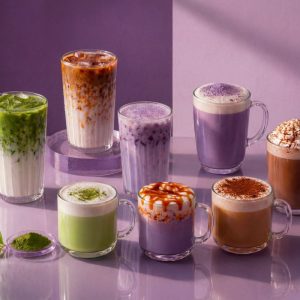
Is ube the next “it ingredient”?
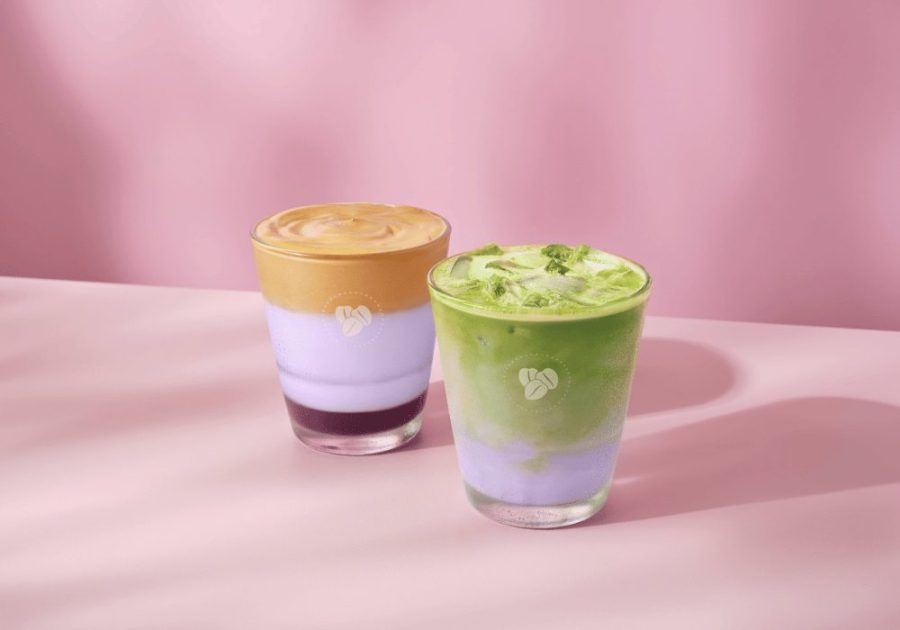
Credit: Costa Coffee
Striving to meet consumer – particularly younger demographics – demand for innovation and experimentation, coffee chains continue to roll out new flavours and ingredients for their coffee and tea (especially matcha) beverages. Some become seasonal favourites like pumpkin spice, peppermint, cardamom, turmeric, and lavender, while others like pistachio, have become permanent menu items. The latest ingredient to appear on coffeehouse menus and which has been grabbing the attention of Gen Zers and millennials is ube.
Is it because of its flavour, because of wellness factor, or because ube is Instagrammable and TikTok-worthy? Multinational coffee chains like Starbucks and Costa Coffee have rolled out ube ranges, tapping into trending flavours and social media buzz. So, what is ube? Ube is a Southeast Asian root vegetable also known as a purple yam, which has drawn global attention for its vivid purple colour and distinctive taste.
The ingredient has gone viral online on social media, accelerating its rise in popularity. This is substantiated by a Q1 2026 consumer survey conducted by market research firm GlobalData with 21,000 respondents across 42 countries. The survey found that more than 60% of Gen Z and millennials stated that they use social media to discover products in new flavours, and over half say that when they find a new flavour they like, they enjoy sharing it on social media, per GlobalData.
Brands are responding by building shareability into product launches. Starbucks, for example, introduced its Ube Vanilla Velvet Latte, Ube Vanilla Velvet Matcha, and Iced Ube Coconut Macchiato — promoted with multiple TikTok posts (via Starbucks and Starbucks UK) featuring pour shots and seasonal lines such as “spring is purple this year” and “ube vanilla, a new way to sip this spring.” This social-first playbook helps Starbucks reach younger consumers where they discover, evaluate, and recommend new drinks, GlobalData reported.
In April, Costa Coffee expanded its Sweet Ube range in its UK stores with two additions: an Iced Whipped Latte and an Iced Matcha. Featuring ube’s signature purple hue, both drinks combine creamy, vanilla-like sweetness with a subtle nutty taste.
“Ube’s bold hue is instantly recognisable in feeds, and its highly “Instagrammable” look lends itself to sharing, especially in trendy café settings,” said Jessica Butler, consumer analyst at GlobalData. “It is an “Instagrammable” ingredient in every sense — high-impact visuals, easy to recognise, and made to be shared. That matters because social platforms are now a primary route to discovery for younger consumers. Brands should treat a launch as a content strategy as much as a product release — building in scroll-stopping visuals, creator partnerships, and easy-to-share moments that turn trial into amplification.”
Ube also taps into younger consumers’ appetite for novelty, innovation, and experimentation (see “The Transformative Impact of Gen Z” in T&CTJ’s June 2026 issue). According to GlobalData, many Western consumers have not tried it before, which makes it feel new — and worth a test. The Q1 2026 survey revealed that 64% of Gen Z and 65% of millennials said curiosity motivates them to try new flavours.
Ube’s profile is also rising because of its wellness benefits. It contains vitamins, minerals, and antioxidants, and has been linked to benefits such as supporting blood pressure and blood sugar. As health-led decision-making rises, this matters: 68% of Gen Z and 70% of millennials say health and wellbeing always or often influence their choices. That gives brands permission to position ube as natural and plant-based — while keeping claims credible and compliant.
As with many trends that begin in foodservice and then spread to other channels, Ube is beginning to transfer into retail. According to GlobalData, UK superfood-infused beverage brand Revibed recently launched ube powders in Holland & Barrett, positioned for smoothies, lattes, and baking, and marketed as a “simple, versatile single ingredient format.” That points to a wider opportunity for powders, syrups, concentrates, and ready-to-drink (RTD) beverages.
Will ube’s popularity be a fad, trend, or an ingredient with staying power? “The next step is turning ube from a viral café moment into an everyday staple,” shared Butler. “Brands should build social-first launches, introduce ube in ‘safe’, familiar formats, and expand into at-home and functional options — while getting sourcing and authenticity right.”
- Vanessa L Facenda is editor of Tea & Coffee Trade Journal. She may be reached at: [email protected].