Weathering the Storm
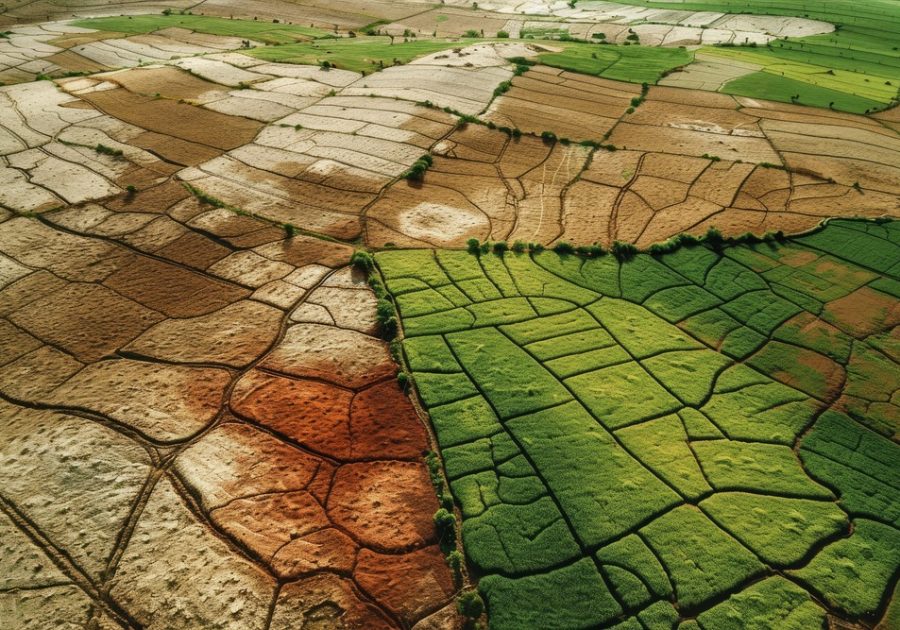
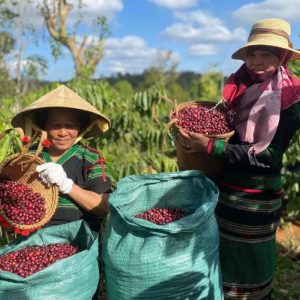
Image credit: Finlays
Climate change is no longer a distant threat — it is a daily reality for millions of farmers who grow the world’s tea and coffee.
Tea and coffee – deeply sensitive to climate – rely on consistent growing conditions, which are becoming increasingly rare. This is not only a major threat to growing communities but is also wreaking havoc in supply chains and leading to unprecedented market volatility that is only set to intensify over time, sending shockwaves across supply chains.
How Climate Change Impacts Coffee Supply Chains
Coffee prices have been a rollercoaster over recent years. Between 2021 to 2025, the coffee world suffered a cumulative 996 million kg deficit where, due to extreme weather events, supply has been unable to keep up with demand. From May 2021 to May 2025, the New York Arabica market increased 188 percent as droughts and high temperatures in Brazil (which accounts for 38 percent of world coffee production) had a dramatic negative impact on the prospects for upcoming harvests.
Meanwhile, a drought in Vietnam pushed Robusta prices 262 percent higher during the same time period. The net result has been higher costs for brands and operators buying the coffee, and consumers feeling the pinch as well. While consumers have long seen coffee as an inflation-resistant treat, if prices continue to rise, this could have a long-term impact on demand.
How Climate Change Impacts Tea Supply Chains
While the volatility of tea markets is less obviously dramatic than in coffee, climate change is having a similar impact. Increasingly unstable weather in the form of rising temperatures, heavy rainfall and drought is leading to shrinking growing regions and declining yields and is also affecting quality.
In fact, the Ethical Tea Partnership estimates that, by 2050, optimal tea-growing-areas could decline by 26.2 percent in Kenya, 14 percent in Sri Lanka and 4.7 percent in China. The inevitable consequence is that tea prices will become ever more volatile, with higher production costs and quality degradation potentially reducing availability, increasing competition and posing quality and regulatory risks.
The Human Cost of Climate Change
The human cost of climate change is inextricably bound up in its economic and supply-chain impacts. In both tea and coffee, climate change is having an enormous impact on the millions of people who rely on production for their livelihoods. The challenges posed by climate change not only threaten yield and quality, but also the economic sustainability of tea and coffee production as a whole, creating widespread insecurity for smallholder farmers. Adapting to climate change can be costly, and its impacts are therefore felt most severely by the most deprived communities. Joining together as a global industry, to ensure we are supporting and investing in these communities, is not only the right thing to do, but also the only way we can protect the economic prosperity of our industry for the long-term.
Three Ways to Weather the Volatility
With market volatility here to stay due to climate change, how can brand owners and operators weather the storm? The answer lies in taking action today, for the beverages of tomorrow. Here are three strategies to consider:
1. Explore long-term contracts and hedging. Work with a supplier who has the expertise and supply network to help you navigate market volatility. This might involve buying at the right time, establishing longterm contracts, and diversifying your supply network. As markets grow increasingly volatile, it is always a good idea not to put all your eggs in one basket.
2. Enhance traceability and risk monitoring. Does your current supplier have a robust, publicly stated approach to Supplier Risk Management, supply chain transparency and climate change mitigation? If not, now is the time to review. Having a strong understanding of your climate risk profile will support you to make strategic decisions about your supply chain.
3. Invest in supplier resilience today, and tomorrow. With the impacts of climate change already being felt, it is critical the industry finds ways to empower growing communities to sustainably solve these challenges, and to offer economic security. This might look like paying premiums, investing in climate-change-specific initiatives, or establishing long-term contracts. Doing so will help to mitigate the immediate impacts and how they reverberate down the supply chain, putting long-term solutions in place.
The Pathway to Resilience
While climate change poses an existential challenge to the beverage industry, there is a clear way forward. Nahuel Tunon, head of sustainable sourcing at The Fairtrade Foundation explained, “Despite steep climate challenges facing tea and coffee sectors, there is a promising pathway to resilience. Producers are already beginning to adopt innovative practices – such as agroforestry, climate-resilient crop varieties, and improved soil and water management.
Tea and coffee are not only everyday staples but also the economic backbone for millions worldwide. Building resilient supply chains requires investing in producer organisations and linking local farmer expertise with global climate insights, creating a virtuous cycle where secure incomes drive innovation and safeguard crop quality, biodiversity, and human health.
Tom Blackwall is head of raw materials at Finlays, and Chrishanth Ajitkumar is global tea manager at Finlays, a global B2B supplier of tea, coffee and botanical ingredients and solutions. With over 275 years in the beverage industry, Finlays sees climate resilience as essential to business success. That is why its long-term strategy, Sustainable Future 2030, is science-led, collaborative, and regenerative, and aligns with a 2040 net-zero goal. Key to this is its Supplier Relationship Management (SRM) program, which identifies climate risks and strengthens supply-chain resilience. Finlays’ approach centres on scientific research into climate-resilient tea and coffee varieties; investing in collaborative platforms such as World Coffee Research to share innovation; data and traceability to guide environmental decisions; and regenerative agriculture to restore ecosystems, sequester carbon, and improve soil health.
Topics
climate change coffee market inflation market analysis
PeopleChrishanth Ajitkumar Nahuel Tunon Tom Blackwall
OrganisationsEthical Tea Partnership Finlays The Fairtrade Foundation
Regions