An evening of understanding, appreciating, and celebrating authentic matcha

Image Credit: Vanessa L Facenda
Each year the Japan Society (of New York City) presents a ‘Living Traditions’ talk together with the government of Japan, which focuses on how traditional Japanese art and culture continue to endure and evolve in the modern world. This year’s talk was entitled, “Matcha: The Next Generation,” which I had the opportunity to attend.
Matcha, even more so than green tea, has become extremely popular around the world. I admit that I was surprised to learn that NYC is one of the largest matcha markets in the world — high quality matcha, not just the ubiquitous matcha latte now seemingly available in every coffee shop. The growing global demand for matcha has led to increased foreign business and tourism in Japan, which are increasing the attention on rural areas. The talk on 3 February spotlighted new technologies, young entrepreneurs, and women-led companies, and highlighted agricultural areas of Japan that according to the organizers, have often been overlooked.
The evening was moderated by Rona Tison, tea ambassador and executive advisor, ITO EN North America (and the keynote tea speaker at T&CTJ’s inaugural Women in Tea & Coffee Conference in 2025), who noted that matcha’s global popularity has created new challenges as well as unprecedented issues for farmers in Japan and the entire Japanese market, from matcha shortages to agricultural regions around the world starting to grow a product that is quintessentially Japanese and once only grown there.
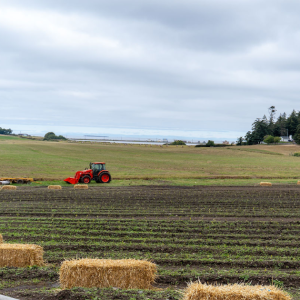
Currently, Japan does not have the capacity to meet domestic demand for matcha, let alone the rapidly growing international demand. The speakers addressed the limits of matcha farming in Japan, the centre of which is aging farmers – the average age being around 70 – and the lack of young farmers. Several discussed how they are helping to revitalize tea farming in Japan, but all are working to convey the true essence, value, beauty, and benefits of authentic matcha.
Matcha Tourism Co, Ltd, is dedicated to revitalizing rural Kyoto through authentic, farm-direct matcha experiences. Founder and CEO Masae Sinjo was born into a fifth-generation tea-farming family in the Uji region. After a working in global financial firms for a decade, Sinjo returned to Uji to create a new business model that supports local farmers, develop high-value tourism, and educate consumers about authentic matcha. She shared that she is also leading efforts to preserve Japan’s 800-year tea heritage through innovation and community-driven partnerships.
Kunikazu Mochitani is the co-founder and CEO of The Matcha Factory, an Oakland, California-based farm-to-cup tea brand. With his partner, a fourth-generation Japanese American, they developed an agricultural model and brand that integrates their shared value of mottainai (reducing waste) and omotenashi (thoughtful hospitality). As the founder of the LEAF Corporation, Mochitani developed a tea field solar system that integrates photovoltaic panels with shade-grown matcha cultivation. He noted that he is also leading efforts to revitalize abandoned tea farms in Japan, a cause that ITO EN has also been involved with for many years.
Born in Italy and now living in New York City, Silvia Mella is the founder and creative director of Sorate, a tea company that sources green tea and matcha directly from family farms in Japan and blends Japanese tradition with Italian elegance.
At the conclusion of the presentations and panel discussion, attendees were treated to an array of Japanese food, sake, green tea gin cocktail samples, and of course matcha. The ceremonial matcha was provided by Sorate and The Matcha Factory, and having authentic, high quality matcha makes you never want to settle for anything less.
Topics
market demand matcha Women in Tea & Coffee Conference
PeopleOrganisationsITO EN North America Japan Society LEAF Corporation Matcha Tourism Co Ltd The Matcha Factory
Regions