Cultivating Spaces for Women’s Strengths to Shine
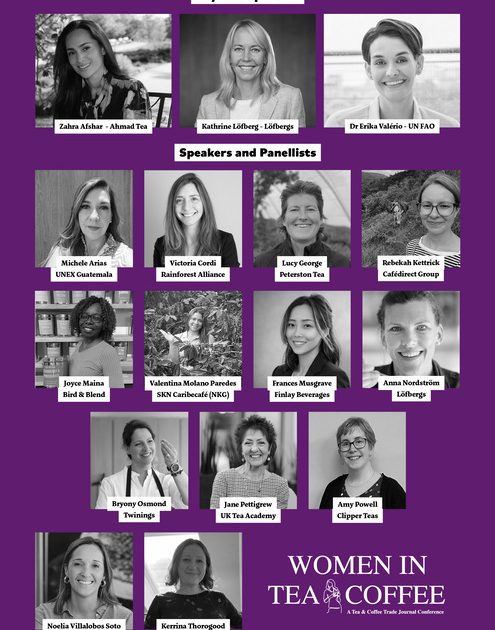
Image credit: Bell Publishing
Achieving true gender equality is complex, requiring significant cultural and political shifts to ensure sustainable practices. This starts with cultivating spaces where women’s voices are visible and recognised, as well as acknowledging the systemic barriers that may prevent this.
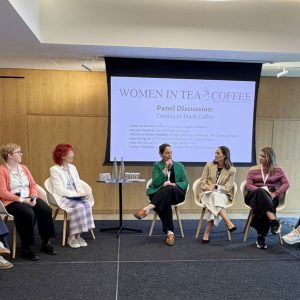
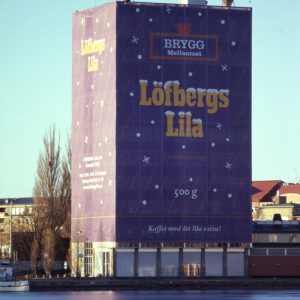
“It doesn’t matter if you are a male or female; he (my father) made no difference, and we were kind of brought up with this, so it’s very natural for us,” said Kathrine Löfberg, chair of the board, Löfbergs. “But you have to respect that there are other cultures and you need to work on it with a long-term perspective and be patient to see the results.”
Löfberg reflected on the uniqueness of her own experience and how this was only made possible because of the values that were engrained in her family’s company and the progressive policies in Sweden. “Our family has always been concerned about the quality, the taste of great coffee, but we are also very concerned about the people handling the coffee and strive to understand the business from the coffee farmer’s perspective,” said Löfberg. This includes implementing projects in producing countries that were focused on gender equality, educating both the men and women, to create a real difference. “It is important to have role models, and some of the couples share the decision making and really work together. It really creates great results, not only do they produce better coffee, but the whole surrounding area is positively affected by it,” said Löfberg.
Anna Nordström, global coffee expert, Löfbergs began working for the company in 1998 ,beginning in logistics and then in a variety of roles, including purchasing, sales, quality control, and cupping, which led to winning the Swedish championship and placing third in the world. “I have been lucky to live in a country where the gender gaps are not that big, and political decisions have made it much easier to have a work-life balance,” said Nordström. She noted some of Sweden’s progressive policies, including accessible childcare and a robust parental leave policy, which have helped reduce the barriers to women entering the workforce.
“Sometimes, I had an advantage being a woman because I stood out in a world of men, but I think the men’s voices are still louder. And I must say that has not changed too much over the last 20 years, sadly,” Nordström said. This left her and her other women colleagues feeling the need to work harder to ensure their ideas are heard. Looking back and reflecting on the value of mentorship, Nordström wishes that she had sought out a mentor in her earlier days, and encourages young women to look for/ask for a mentor and ask for help when needed.
When looking at the global coffee industry, Nordström identified the need for more women across the entire value chain, with a focus of creating more spaces for women’s voices in producing countries. “It’s a matter of sustainability, and if a coffee business should survive, we have to give women the same access to power and decisions.”
Jane Pettigrew, founder of the UK Tea Academy, tea expert and author, has had an extremely positive experience as a woman in the tea industry. “It was women who were mostly running tea rooms, but the main industry, the buyers, the brokers, people who ran the auctions, were men,” said Pettigrew. “And so, at the events that I was going to and either writing or lecturing about, I was very often the only woman.” However, she emphasised that she always felt supported by the men in the space including the support of strong male role models that both shared their resources with her and encouraged her to persevere in her quest to discover and share her knowledge of tea.
Today, the tea industry has had significant changes, shared Pettigrew, providing a list of women leaders across the globe in all levels of the value chain. “Tea has this power to link people together and [make them] think about other tea drinkers all around the world,” she shared. The future for women in the industry continues to be an extremely bright one, she said, emphasising the need for empathic, knowledgeable individuals to continue to improve the overall quality of the industry, and share the enjoyment of tea with others. “Tea is a very democratic beverage,” said Pettigrew. “It’s all about kindness, and it levels the playing field.”
Often Undervalued Assets
There is no question that women continue to face significant barriers in the industry, particularly in producing countries and spaces with inequitable political policies. Zahra Afshar, head of legal, human rights, and sustainability at Ahmad Tea, began her career as a lawyer at a criminal human rights firm. “I was always kind of involved in looking at whether those charities that we were invested in were having a positive impact, taking that human rights lens into the work,” said Afshar. However, it was not until a couple of years into her work at Ahmad Tea that she uncovered the whole supply chain and began to understand both the history and the present situation of women within the tea estate.
“Women, because they were able to be paid less and because their hours were complementary to child rearing, became the main workforce for the tea industry,” said Afshar. These women not only received low pay but also often worked in environments that failed to meet their basic needs. Over the years, there has been significant improvement in these spaces, including short-term solutions such as access to proper nutrition and hygiene products, and long-term solutions such as education, training, and equitable pay, which will help ensure these changes are sustainable.
“For some of these issues, there has not really been a voice from the buyer’s point of view,” said Afshar. “Our board of directors and shareholders are very committed to sustainability, but I still have to raise [that issue] continuously, and say, did you know that there’s no access to period products and there’s no loos (toilets).”
She shared that the top-down approach to addressing the challenges, such as gender-based violence, has been shown to be largely ineffective. Instead, she emphasised the benefits of working with local organisations that have a deep understanding of their culture and the unique barriers women may face. “We need to look at what the means are to create safe spaces,” said Afshar. “As a brand sitting in England, I can’t answer that; I need people who really know the women and live and breathe it to bring that information back to us.”
It is critical that the voices of these women are heard to ensure that the changes made are sustainable. “How to bring their voices out? On the ground level, we need to create spaces where they can share and give their feedback,” said Afshar. “I also think that the eventual progression from more labour-intensive roles to the more supervisory and managerial roles will also help to get those voices out.”
In the coffee industry, women continue to experience disparity in income, lack of recognition, and inequality in managerial roles. “I was speaking in purchasing, and she shared the challenges she faced while trying to obtain that type of position, because typically it requires five or six years of experience,” said Valentina Molano Paredes, strategic planning coordinator, SKN Caribecafé SAS, which is owned by Neumann Kaffe Gruppe. “However, she was never able to receive the opportunity to [gain] the experience, resulting in losing out on three to four positions before she came to our company.”
One of the challenges that both Paredes and her colleagues continue to face is having their ideas and voices heard and acknowledged, especially when the women take on roles previously dominated by men. “We have female technical assistants, and sometimes the coffee growers resist her visit as they believe she doesn’t have the knowledge or experience,” she said. To address this challenge, Caribecafé created additional opportunities for women to demonstrate their knowledge, while also enabling more women to enter these roles. Today, their technical team is exactly 50-50 with 25 male and 25 female technicians.
“When I joined the mill in 2023, women were a small minority,” said Paredes. As of this year, we have women in a variety of roles, including quality control, administration, sustainability, commercial, managerial, and operative.” She attributes this success to the various initiatives that were launched by SKN Caribecafé, which included ensuring that women were provided with different internal positions so that they could grow within the company. “You do not need to make a big investment or a project to have an impact, it can start small,” said Paredes. “I work with young people because I know that young people are the voice of the future.”
Noelia Villalobos Soto, executive director of the Specialty Coffee Association of Costa Rica and Sintercafé, and an International Women’s Coffee Alliance (IWCA) and Alliance for Coffee Excellence/Cup of Excellence board member, shared that she had to work harder to ensure her voice and ideas were heard. “I’ve made my name in the industry, but I know that if I had been a man, it would not have been as complicated a journey. I have to keep doing this because I am opening doors for the next generation of women, cuppers, baristas, and roasters. There are now more women in almost every part of the industry,” said Villalobos Soto.
Identifying the Challenges
Understanding the nature of the challenges women in the industry face is vital to ensure that the initiatives launched address these barriers. Access to finance remains a significant barrier in developing countries, limiting women’s ability to grow and develop their businesses. Sintercafé’s recent project, Cosechando Futuros, responded to this challenge: 10 different producers were chosen from seven regions of Costa Rica. “One of our aims or objectives was that we needed to have women and younger producers as participants,” said Villalobos Soto. “It’s not only an industry issue, but this also has to do with governments, politics and policies.”
The future for women in both the tea and coffee industries is full of possibilities, with more women taking on leadership positions across the industry. However, there still remain significant hurdles to overcome, particularly in countries, where governmental policies and cultural practices fail to recognise the powerful insights that come from the voices of women. “For women there is a huge opportunity. Yes, it might not be as easy as for men, but I do think that the industry is changing and I do think that we still must keep pushing and give those spaces for women,” said Villalobos Soto.
Anne-Marie Hardie is a freelance writer, professor and speaker based in Barrie, Ontario. She may be reached at: [email protected].
Topics
gender equality Gender pay gap Women in Tea & Coffee Conference women in tea and coffee
PeopleAnna Nordström Anne-Marie Hardie Jane Pettigrew Kathrine Löfberg Noelia Villalobos Soto Valentina Molano Paredes Zahra Afshar
OrganisationsAhmad Tea International Women's Coffee Alliance (IWCA) Löfbergs Neumann Kaffe Gruppe Sintercafé Specialty Coffee Association of Costa Rica The UK Tea Academy
Regions