Herbal and Botanical Teas Ride the Wave of the Booming Functional Beverage Market

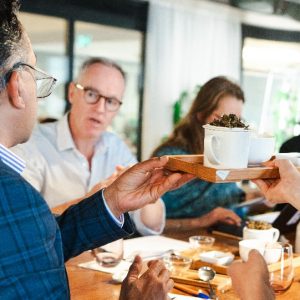
The herbal and botanical tea segment has solidified its status as an independent category. Image credit: Smith Teamakers
Functional botanicals remain in high demand in the tea market, though growth remains uneven across the segment, as consumers are becoming not only wellness-minded but also more discerning and educated.
A global surge in popularity in functional beverages following the Covid-19 pandemic, a rough time that made people more conscious about their health, against many forecasts, is not showing any signs of winding down.
For instance, the herbal product market, including the herbal tea category, continues growing in the US, according to the American Herbal Products Association. As in previous years, growth is driven by younger generations.
“This growth is fuelled in part by growing consumer demand for holistic wellness solutions and the earlier adoption of wellness products – such as dietary supplements and herbal products – by millennials and Gen Z, who are integrating botanicals into areas like sports nutrition and sleep,” commented Melissa Do, director of communications, American Herbal Products Association (AHPA).
It is widely known that the younger generation is more health-conscious – a fact usually attributed to massive digital access to wellness info, social media trends, and a focus on mental well-being.
Some studies have shown that nearly 80 percent of millennials consider health benefits when selecting foods and beverages. However, observers indicate that demand is not only growing but also becoming more sophisticated.
Consumers are becoming more aware of the potential benefits of various herbs and are choosing herbal teas more wisely. “Consumers today are far more knowledgeable about herbs and actively integrating them into their daily wellness routines,” said Kristina Tucker, minister of enlightenment for The Republic of Tea, a US-based premium tea company. Functional botanicals that may support sleep, stress adaptation, digestion, and immunity are especially popular, she added.
Clear and Simple Benefits
The modern consumer is more educated, actively researching ingredients and asking for specific botanicals and clear, simple benefits, shared Tristan Höver, global insights manager for hot drinks at data analytics company Euromonitor International. “In today’s high-price environment, consumers are more selective. They are willing to pay for herbal teas they genuinely believe in and where the ingredients and perceived impact on them and their families feel credible,” he explained.
Market players believe that over the last several years, herbal tea consolidated its position as an independent segment.
“One of the biggest shifts I have seen is that herbal and botanical teas are no longer treated as a niche or a substitute for ‘real’ Camellia sinensis tea – consumers now recognise that botanicals have their own traditions, functions, and reasons for being in the cup,” said Maria Uspenski, founder of The Tea Spot, a whole leaf tea and teaware company. She added that over the past few years, “the category has moved away from novelty-driven blends toward more disciplined, function-led formulations built around identifiable botanicals that people recognize and trust.”
A Role of Innovation
Changing customers’ attitudes is the key driver of innovation in the herbal tea industry.
According to Höver, a more intentional use of botanicals is linked to emerging research on stress, sleep, gut health, and immunity, with tighter, benefit-led blends rather than vague wellness proposals.
On the manufacturers’ side, there is a clear shift towards new formats and brewing technologies, including infusion systems and capsules that allow herbal drinks to be prepared quickly on traditional coffee machines.
“These systems mainly expand occasions rather than creating demand on their own,” Höver said.
However, new infusion segments sometimes have certain downsides.
“I am not a fan of tea being brewed in machines designed for coffee. They are never optimised to extract optimal flavours, and that is without even getting into the cross-contamination with coffee,” said Shabnam Weber, president of Tea and Herbal Association of Canada and the Tea Association of the USA.
In Europe, the use of coffee machines to brew herbal teas is likely to face regulatory obstacles.
“Any development of products for such machines will need to consider the requirements of the EU’s Packaging and Packaging Waste regulation, which requires single serve products to be industrially compostable,” Dr Sharon Hall, chief executive of the UK Tea & Infusions Association, explained.
Classic Never Gets Old
In terms of demand, Weber said the market is primarily comprised of classic solutions like chamomile, peppermint, and ginger with lemon. However, functional segments remain the key driving force. In particular, consumers are increasingly interested in adaptogens.
It is challenging to pinpoint best-performing herbal teas on the global market, as there are significant cultural and regional differences, noted Höver. However, there are three segments with the greatest potential for market players.
The first group is herbal teas focused on calm, relaxation, and sleep, including chamomile and lemon balm, anchored in evening routines. The second group is herbs focused on digestive and gut health – peppermint, ginger – benefiting from the broader gut-health conversation. The last emerging group comprises adaptogens and mood, and is favoured especially by younger, wellness-focused consumers. In particular, it involves ashwagandha and functional mushrooms, Höver said.
Hibiscus, milk thistle, dandelion, ginger, and chamomile continue to be strong performers thanks to their broad functional appeal, Republic of Tea’s Tucker said. “Consumers are drawn to herbs that support digestion, liver health, relaxation, and overall wellness, and these botanicals have longstanding recognition and trust.”
In the UK, the top-performing benefit blends for most brands continue to be sleep and traditional herbals flavours – peppermint, lemon, ginger, and chamomile still dominate the category – with new flavours being more unique to brands and combinations chosen because of their benefits, noted Hall.
Sustainability Remains Key
Another significant shift on the herbal tea market is a move toward simpler, more transparent ingredient decks, a move away from artificial flavours, excessive sweeteners, and vague ‘proprietary blends’, The Tea Spot’s Uspenski said. “Consumers are reading labels more carefully and expect clarity about what’s in their cup and where it comes from.”
Hall explained that sustainability is a priority for European tea buyers, with over 60 percent preferring fair-sourced brands. The growing presence of the e-commerce segment is only fuelling interest in sustainable options. “E-commerce and specialty retail are changing how tea is bought. E-commerce platforms now offer direct access to organic fair trade and specialty teas, often with detailed product stories,” she added.
Beyond product selection, ethical considerations are now key business differentiators, making sustainability, traceability, and clean-label transparency crucial to consumer choice, according to the AHPA’s Do. She added that “this heightened emphasis on ethical sourcing and quality can be seen in expanded industry efforts in organic and regenerative agriculture for both cultivated and wild-crafted botanical materials. Consumers, especially younger generations, are inspired by the origin stories and care taken in sourcing herbal products.”
Although sustainability is important, it is not the primary factor in most consumers’ product choices. “Sustainability remains important for reputation and long-term supply, but the winning propositions will be those that deliver credible benefits for the consumer first,” Höver added.
Existing Trends Will Continue
Observers believe that the trends dominating the herbal tea market over the last several years are here to stay. “Ongoing trends include plant-based diets, where tea and herbals naturally fit with a flexitarian or eco-friendly diet,” Hall said.
Younger consumers want functionality, such as the gut health benefits of kombucha or probiotic tea. They are looking for beverages that can enhance their mood, so adaptogen blends, and things that help them focus and give them energy, like matcha.
Conversely, customers also want teas that help them sleep, such as chamomile, lavender, or CBD infusions.
Blending tea with ingredients to support these needs will create market opportunities, Hall added.
“Industry needs to take opportunities to work with restaurants and bars to develop tea and herbal options on their menus. Think also sparkling iced teas, RTD in sleek cans, tea-based mocktails, nitro cold brew, or premium brewed tea on tap in pubs and bars. The next wave will be more adult-oriented, alcohol-free tea serves,” Hall shared.
According to Höver, market growth in the next years will focus on clear platforms such as sleep and calm, focus and energy, and gut comfort using recognisable botanicals. “In times of rising interest for GLP-1 drugs, tea may become more relevant. Use of such drugs could put volume pressure on indulgent drinks, but it reinforces demand for low- or no-calorie beverages that support hydration, digestion, and overall wellbeing,” Höver said.
Vladislav Vorotnikov is a Batumi, Georgia-based multimedia B2B freelance journalist writing about the tea and coffee industries since 2012.
Topics
adaptogens functional beverages GLP-1 Herbal and Botanical Teas wellbeing
PeopleDr Sharon Hall Kristina Tucker Maria Uspenski Melissa Do Shabnam Weber Tristan Höver Vladislav Vorotnikov
OrganisationsAmerican Herbal Products Association Euromonitor International Tea and Herbal Association of Canada Tea Association of the USA The Republic of Tea The Tea Spot UK Tea & Infusions Association