EPR and the New Reality for Beverage Packaging
Extended Producer Responsibility (EPR) is rapidly reshaping the conversation around global beverage packaging. Once viewed primarily as a regulatory or compliance issue, EPR has evolved into a strategic force that is influencing material choices, equipment investments, and collaboration across the packaging value chain. For beverage brands and their packaging partners, the implications are profound and unavoidable.
At its core, EPR shifts financial and operational responsibility for packaging
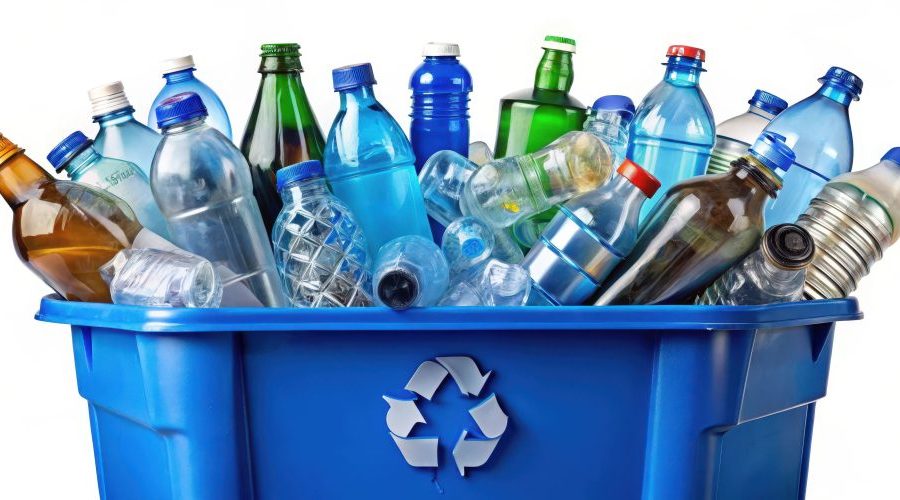
waste from municipalities to the producers (manufacturers in the coffee and tea industries). For beverage companies, which rely heavily on high-volume, single-use packaging formats such as polyethylene terephthalate (PET) bottles, aluminum cans, glass bottles, and multipacks, this shift brings packaging decisions under sharper scrutiny. Materials that are difficult to
recycle, expensive to recover, or incompatible with existing infrastructure increasingly carry higher costs and reputational risk.
According to The New Material World: Packaging’s Path Toward Sustainability report produced by PMMI, The Association for Packaging and Processing Technologies, regulation now ranks among the top three factors influencing five-year packaging outlooks for both consumer packaged goods (CPG) companies and original equipment manufacturers (OEMs), alongside cost and
consumer preference. This alignment is significant. It underscores that EPR is no longer a distant policy issue — it is actively shaping near-term investment and design decisions across the industry.
Why Beverage Packaging Is in the Spotlight
Beverage packaging sits at the intersection of EPR pressures for several reasons. First, beverage containers represent a highly visible and highly regulated waste stream. Second, many states with EPR laws or proposed legislation — such as California — are also home to large beverage markets. Finally, beverage packaging has long been a proving ground for recycling
systems, particularly deposit return schemes for aluminum and PET.
The report’s materials data reinforces this reality. PET bottles and metal beverage cans are expected to continue showing strong growth through 2008, reflecting their durability, recyclability, and established recovery pathways. Notably, aluminum and recycled-content plastics rank among the materials least likely to be replaced over the next three to five years, suggesting that EPR is reinforcing, rather than undermining, investment in materials with proven circularity.
However, EPR also exposes persistent trade offs. Beverage producers are acutely aware that packaging decisions affect shelf life, product protection, and brand identity. Survey results indicate that cost remains the primary barrier to adopting more sustainable packaging, closely followed by concerns about product quality and protection. For beverages, where carbonation, light sensitivity, and contamination risks are critical, even small changes in material
performance can have outsized consequences.
Equipment, Infrastructure, and the EPR Domino Effect
One of the most consequential insights from the report is that EPR’s impact extends well beyond materials. As beverage brands move toward recyclable and recycled-content packaging to reduce EPR fees and compliance risk, they are placing new demands on packaging machinery. OEMs report that packaging performance and equipment performance are the top trade offs they see when customers transition to sustainable materials.
This dynamic is especially relevant for beverage lines, which often operate at high speeds with tight tolerances. Variability in recycled-content materials, such as inconsistencies in thickness, rigidity, or sealing behaviour, can disrupt efficiency and lead to increased downtime. While 64 percent of OEMs report that they are already manufacturing machinery redesigned or modified to handle more sustainable materials, many end users remain constrained by legacy equipment. EPR effectively accelerates this tension. It creates financial incentives to change packaging faster than infrastructure may be able to
support, pushing companies toward incremental adaptation rather than wholesale transformation. As the report notes, until materials and machinery are better aligned, many beverage producers will continue to balance sustainability goals against operational risk.
From Compliance to Competitive Strategy and Collaboration
Despite these challenges, EPR is also catalysing new opportunities, particularly around collaboration. Both CPG firms and OEMs identify reducing packaging, increasing recyclability, and minimising waste as their top sustainability strategies. This alignment matters. EPR rewards packaging systems that
are simpler, lighter, and more compatible with recycling infrastructure, all of which benefit from early and sustained collaboration between brand owners, material suppliers, and equipment manufacturers.
For beverage companies, this means treating EPR not merely as a cost centre but as a design constraint that can drive innovation. Lightweighting, mono-material structures, higher recycled content, and packaging formats
optimised for recovery are no longer optional experiments; they are becoming baseline expectations.
Looking Ahead
The findings in The New Material World report make one thing clear: sustainability is no longer a parallel initiative — it is embedded in the future of packaging strategy. For beverage brands navigating EPR, success will depend on aligning materials, machinery, and partners around solutions that strike a balance between cost, performance, and circularity.
- Rebecca Marquez is the director of custom research at PMMI, The Association for Packaging and Processing Technologies, based in Herndon, Virginia. PMMI’s portfolio of trade shows includes PACK EXPO International, which takes place in Chicago, Illinois (18–21 October) and the upcoming PACK EXPO East, which takes place in Philadelphia, Pennsylvania, 17–19 February. For more information, visit packexpoeast.com.
Topics