Chemical and Sensory Profile: What Makes Cold Brew Different

Credit: JDE Peet's
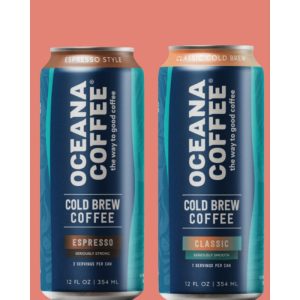
Cold brew coffee has evolved from niche category with a storied history to a global phenomenon. In this five-part series on cold brew coffee, Dr Steffen Schwarz, the founder and director of Coffee Consulate, is examining the history of cold brew coffee, the science of cold brew extraction, the chemical and sensory profile, hygiene and food safety challenges, and practical recommendations for coffee professionals. Part three focuses on the chemical and sensory profile of cold brew coffee.
Ask a cold brew fan why they love it, and you will often hear words like ‘smooth’, ‘sweet’, ‘low acidity’, ‘chocolatey’, or ‘refreshing’. There is a popular belief that cold brew is significantly less acidic and less bitter than hot coffee. Many marketing claims even assert cold brew is 67 percent less acidic than hot brew — though such precise figures should be taken with a grain of salt. The reality, as analytical chemistry reveals, is nuanced. Cold brew does generally have a different balance of compounds, leading to a mellower taste, but it’s not simply a matter of being uniformly lower in acids or caffeine. In this article, we examine what science tells us about cold brew’s composition.
Acidity and pH
Cold brew often tastes less acidic – lacking the sharp, bright notes of a hot espresso or filter coffee. Measured pH values of cold brew and hot brew are sometimes very close, both typically around pH 5 (which is acidic, similar to black tea). One study by Fuller and Rao found only a slight difference in pH between cold and hot brew from the same beans, but a notable difference in titratable acidity (the total amount of acidic substances). Cold water tends to extract fewer of the chlorogenic acids and other organic acids that contribute to coffee’s bite, especially if the brew time is controlled. For example, researchers observed that acetic acid (a volatile acid in coffee) stopped increasing in the cold brew after about 40 minutes of extraction. This suggests only a limited amount of acetic acid makes it into cold brew.
Cold brew also lacks some of the brightness (citric, malic acid notes) present in hot coffee, simply because those acids may either not extract fully or are masked by cold temperature when tasting. The result is a perceived smoother acidity. Many drinkers describe cold brew as ‘low acid’ on their palate. However, ‘low acid’ doesn’t mean neutral pH. If there is acid sensitivity, cold brew might be gentler, but it’s not completely acid-free. It’s worth noting that over-extraction or prolonged storage can actually increase the acidity of cold brew beyond what it initially was.
If coffee sits, microbes can produce organic acids (eg, lactic acid from Lactobacillus bacteria) and the pH can drop further. In one experiment, cold brew stored at room temperature for eight weeks saw pH decline and total acidity rise significantly from microbial fermentation. So, a fresh cold brew will be relatively low in perceived acid, but letting it age too long could result in a sour, tangy brew – essentially spoiling into a different beverage entirely.
Bitterness and Sweetness
Coffee’s bitter compounds largely come from caffeine and roast-derived components like trigonelline byproducts and melanoidins. Cold brew, having extracted most of the caffeine and plenty of melanoidins, can still be bitter if it is strong. Yet, because it lacks many of the high temperature by-products (certain phenolic compounds and degraded proteins that form at >90°C), its bitterness is often described as softer, more chocolate-like than the sharp bitterness of a burnt espresso. Many drinkers find cold brew needs little sugar or milk compared to hot coffee, because it naturally tastes a bit sweeter. This isn’t because there’s more sugar (any sugars in coffee are minor and mostly roasted away in darker roasts), but because the absence of high acidity and certain high-boiling volatiles lets our taste buds focus on the mild caramel and nutty notes, giving an impression of sweetness.
In a sensory test, consumers indeed noted cold brew as less bitter and less sour than the same coffee brewed hot and iced. The smoothness can be attributed to the presence of specific compounds: for instance, cold brew tends to have relatively higher concentrations of certain lactones and esters that impart a roundness, and fewer aldehydes that can taste harsher — these differences arise from the lack of heat-induced chemical changes. Additionally, cold brew often has more stable foam and oils (if shaken or nitrogenated) because it retains coffee lipids in an unoxidised state; these oils can coat the tongue and reduce the perception of bitterness.
Aroma and Volatiles
One area cold brew undeniably differs is in aroma. Hot coffee’s aroma is intense and fleeting – the steam releases hundreds of volatile compounds to our nose. Cold brew, being cold, doesn’t waft aromatic molecules as readily. When you smell a cold brew, it’s much subtler. Chemical analysis via gas chromatography has identified fewer total volatile compounds in cold brew extracts compared to hot brews of the same coffee. Notably, many of the highly volatile compounds (think those responsible for floral and fruity aromas like jasmine, bergamot, or citrus) are extracted in lower amounts or not at all in cold water. However, some volatiles are present, just dissolved in the cold liquid. If you warm up cold brew, you can sometimes smell the hidden aroma come out.
In fact, one study using 1H-NMR and PCA (principal component analysis) was able to chemically distinguish cold brew from hot brew primarily by differences in the intensity of the same aromatic compounds, not entirely different compounds. This means cold brew isn’t pulling out a totally new set of molecules; it’s pulling many of the same coffee notes, but often in different proportions. For example, cold brew may have less furans and pyrazines (toasty, roasty aromas) because those extract better at high heat, but it might have comparable levels of phenolic compounds or alcohols that contribute to a general coffee aroma. One piece of research identified 94 volatile compounds in a vacuum cold brew – including furans, ketones, pyrazines, aldehydes, etc – showing that the potential aromatic complexity is there, just mostly trapped in the liquid. When that brew was stored for three months refrigerated, many of those desirable volatiles degraded or diminished, correlated with a loss of flavour.
The practical takeaway: cold brew’s aroma is delicate. Serve it in ways that concentrate aroma (small-mouthed bottles or covered cups) if possible and enjoy it fresh. Some cafés combat the low aroma by infusing cold brew with nitrogen gas (creating nitro cold brew) — as the creamy head forms on a nitro cold brew, it can carry more aroma to the nose, enhancing the sensory experience. Others might blend cold brew with a portion of hot-brewed coffee (so-called ‘hot bloom cold brew’) to spike the aroma, though purists argue this muddies the profile.
Flavour Profile Highlights
Cold brew tends to emphasise flavours in the chocolate, caramel, nutty, and low-fruit range. If a coffee has notes of, say, cherry and jasmine when hot, a cold brew might present that same coffee as having hints of cocoa and gentle florals instead. In a comparative tasting by a calibrated panel, a cold brew was found to have stronger herbal and citrus (lemon balm, cucumber) notes, whereas a hot brew of the same coffee had more pronounced stone fruit (peach) and spicy notes, and a bit more body. Cold brew was also deemed ‘more refreshing’ in that study. Another effect is that cold brew often lacks the harsh or off-flavours that can come with over extraction in hot coffee — for example, you won’t typically find the ‘ashy’ or ‘burnt’ flavour in a cold brew unless something went wrong with the roast or brew. It also tends to be low in astringency; the drying sensation from certain polyphenols is minimised, so the mouthfeel is smoother. However, if the cold brew is made from a very light roasted, high-acidity coffee, it can still have a tangy or winey character — cold brewing doesn’t magically remove all acidity, it just extracts less of it relative to other flavours.
Caffeine Content
Let’s talk about the kick. Cold brew is often thought of as ‘stronger’ in caffeine. Is it? The answer: it can be, but it depends on the recipe.Caffeine is highly water-soluble, even in cold water. Studies have shown that given enough time, cold water will extract nearly all the caffeine from the grounds. In one pilot study, caffeine concentration in a cold brew stopped increasing after about two to three hours, indicating it had reached its maximum based on the coffee-to water ratio used. If you use the same amount of coffee and water as a hot brew, a cold brew will end up with similar caffeine content (maybe slightly less if not all caffeine dissolves, but generally similar).
However, many cold brews are made as concentrates with a lot more coffee per volume of water – thus naturally containing more caffeine per milliliter. For example, a hot drip might be 1:16 coffee to water, whereas a cold brew
concentrate might be 1:4. The cold brew concentrate could have around 4 times the caffeine of regular drip coffee by volume. Usually, it’s meant to be diluted 1:1 or 1:2 to a drinkable strength, bringing the caffeine back in line with a normal cup. But some consumers drink the concentrate straight, which is a jolt! On a per-cup basis, if you drink a 12 oz cold brew from a café, you might be getting anywhere from 150 to 300mg of caffeine, depending on how it was prepared – sometimes more than a comparable hot coffee.
The important distinction is that cold brew doesn’t extract caffeine inefficiently; in fact, caffeine comes out readily in cold water.
So, caffeine-sensitive individuals shouldn’t assume cold brew has less ‘jitteriness’ just because it’s smoother in taste. If anything, it might sneak up on you because it goes down easy! One mitigating factor: some very long brews (24 hours) can undergo slight degradation of caffeine or binding with other compounds, but the effect is minor. Generally, use the same amount of coffee, get the same caffeine; use more coffee, get more caffeine. So, when formulating cold brew recipes, professionals often keep an eye on caffeine content for serving size. Some ready to-drink cold brew bottles explicitly note higher caffeine content. From a regulatory perspective, as cold brew becomes more popular, there may be guidelines needed on caffeine disclosure because it can vary widely.
In summary, the sensory signature of cold brew is a mellow sweetness with muted acidity and a heavy but smooth body, accompanied by a subtle aroma. Chemically, it is coffee under-extracted in some areas (acids, some volatiles) and fully extracted in others (caffeine, sugars, oils). It is coffee through a different lens – one that many find addictive once they acquire the taste. But this unique profile comes with a trade-off: the lack of heat in preparation introduces considerations of food safety, since we’re essentially soaking organic material (coffee grounds) in water for hours at room or fridge temperature.
In part four, we will discuss the microbiological challenges and safety practices critical for cold brew, especially as it is produced and sold at larger scale.
Dr Steffen Schwarz is the director of the Mannheim, Germany-based Coffee Consulate, which he founded in 2005 to meet the increasing demand for training. In addition to extensive workshop programmes, the company is engaged in research and product development, and manufactures barista tools, teaching and analytical materials.