Authenticity – not influencers – is what make global flavours endure
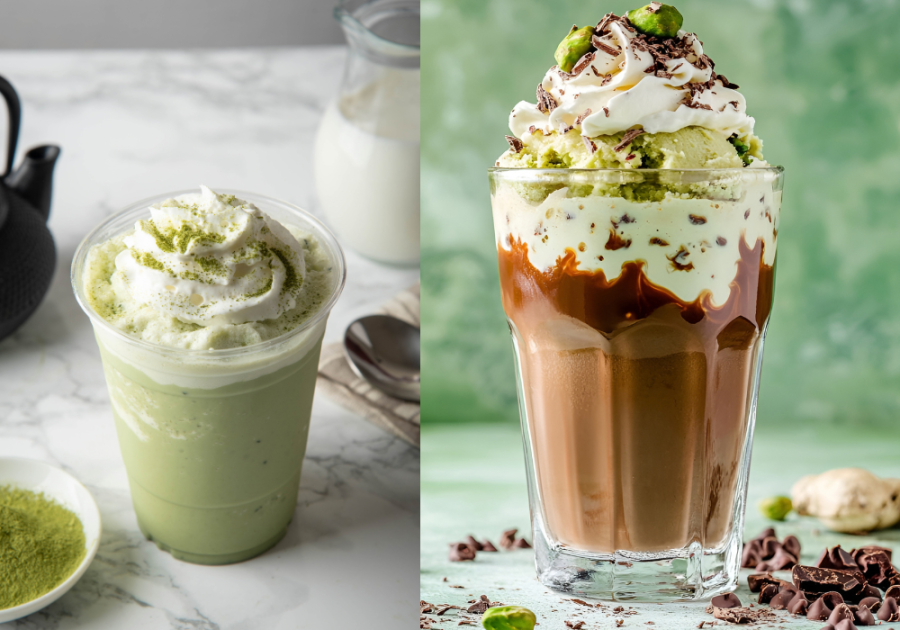
Image credit: AdobeStock
Influencers may be losing their influence. A new poll finds that when it comes to global flavour trends, authentic sourcing, quality ingredients, taste, and storytelling outrank celebrity and influencer promotion by nearly seven to one. But as flavour moves from ‘new to normal’, brands must decide what approach to take: a trend-forward one or a cultural-stewardship one.
Global flavours have moved from niche to mainstream, and with that a proliferation of copycats hit the market quicker than ever. New research from Curion, a consumer insights and product research firm, finds that consumers in the long term are choosing the brands they trust to deliver an authentic, quality product. And it is not just the taste of the product that counts, it is the story of how it first materialised, where it comes from, how it is produced, and how it is positioned.
The Curion Poll PULSE survey of more than 15,000 adults in the United States (fielded in August 2026) found that 87% of Gen Z are most likely to reach for a brand that puts cultural acknowledgements first, by sourcing ingredients from the origin country as a highlight of quality, honoring the history of the product while layering in their own storytelling, and striving to taste authentic. Only 5% of Gen Z and 8% of all adults surveyed mention they would rather brands sacrifice authenticity to make themselves more palatable to a wider audience
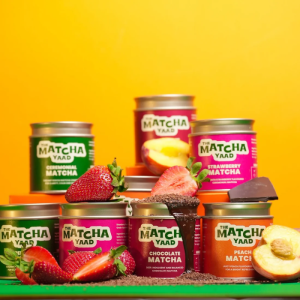
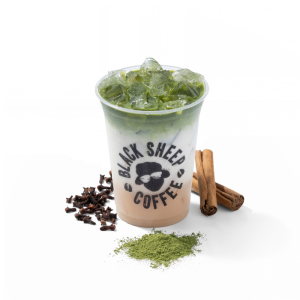
The survey also found 53% said they had eaten a “Dubai-style” chocolate bar – the chocolate, pistachio and crisped-kataifi confection popularised by Fix Dessert Chocolatier – in the past year. According to Curion, five years ago, just 22% reported regularly eating treats built on that same flavour combination. The category has more than doubled in under five years, and it is not alone: matcha (44%) and boba (bubble) milk tea (48%), each reached a broad share of consumers in the past year after a decade of steady growth.
What convinces a consumer to try a new product
Asked what would convince them to buy a new product with globally inspired flavours, consumers pointed to the product itself, not the marketing around it. Curion revealed that the strongest drivers were a product that strives to taste authentic (53%), one that highlights the quality of its ingredients (43%), and one that sources ingredients from the country of origin the product is tied to (41%). Honouring the product’s cultural history (35%) and explaining the inspiration behind it (33%) followed close behind.
Celebrity, influencer, chef, and food-blogger promotion ranked at the very bottom of the list, named by just 8%, meaning authentic taste swayed consumers nearly seven times as often as a celebrity or influencer endorsement. Only 12% said they would want a brand to adapt a flavour for a wider audience at the expense of authenticity.
According to the survey, 14% of respondents said they ignore cultural food trends, rather, consumers are also more deliberate about trends than the pace of social media might suggest and investigate before they buy:
- 40% prefer to comparison shop, that is, seeking out several brands’ versions of a trending product to compare;
- 32% said they searched for the original product that started the trend;
- 32% try a single version to satisfy their curiosity;
- 30% research which brands are most authentic to a product’s origins;
- 27% said they look into a product’s cultural background whether or not they end up buying it.
Two paths, one choice
Curion’s analysis outlines a choice every brand faces when a global flavour goes viral. A trend-forward approach chases the flavour quickly, substitutes ingredients when supply tightens and leads with aesthetics. This path, Curion states, can win the launch. However, cultural-stewardship approach sources from the origin, discloses it, partners with originating producers, and leads with heritage marks a slower path that tends to win over the consumer year after year.
The decision about what path to take is not an easy one. Surging demand has strained supply chains, from a widely reported pistachio shortage tied to the ‘Dubai-style’ chocolate boom to ongoing pricing and availability pressure on Japanese matcha. But the research suggests brands that treat a trend as a durable category, rather than a limited-time novelty, are better positioned as a flavour moves from new to normal.
“The trend is real, and it isn’t going away — but ‘new’ is a temporary advantage. Speed gets you to market first; authenticity is what gets you back on the shelf next year,” said Isabelle Huang, associate director, strategic product insights for Curion. “Our data shows consumers reward the product, not the hype. Authentic taste and quality ingredients move people to try something far more than any celebrity or influencer does.”
Per Curion, the brands that are still selling when a global flavour stops being novel are the ones that did the work up front — understanding where a flavour comes from, sourcing it with integrity and telling that story honestly.
Curion’s findings offer a roadmap for brands weighing whether and how to enter a global-flavour trend:
- Treat the flavour as a category, not a limited-time offer. Consumption of established global flavours keeps climbing year over year; the durable opportunity is in staying, not sprinting.
- Lead with the product. Authentic taste and ingredient quality are what move consumers to try — well ahead of influencer or celebrity promotion, which ranks last.
- Build cultural credibility into the product, not the footnote. Sourcing from the origin, honouring the history and explaining the inspiration all rank among the top reasons consumers say they would buy.
- Source from the origin region where feasible. It strengthens both supply-chain resilience and premium positioning as demand grows.
“The brands that win the next chapter of this category won’t be the ones with the loudest launch,” Huang added. “They’ll be the ones that pair trend velocity with authentic sourcing and storytelling — so a first purchase becomes a habit.”
Vanessa L Facenda is editor of Tea & Coffee Trade Journal. She may be reached at: [email protected].