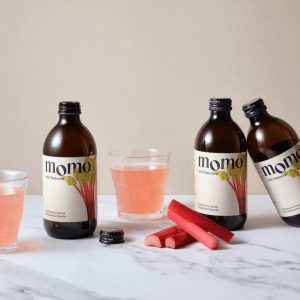
Momo Kombucha scale production with custom fermentation vessels and new brewery
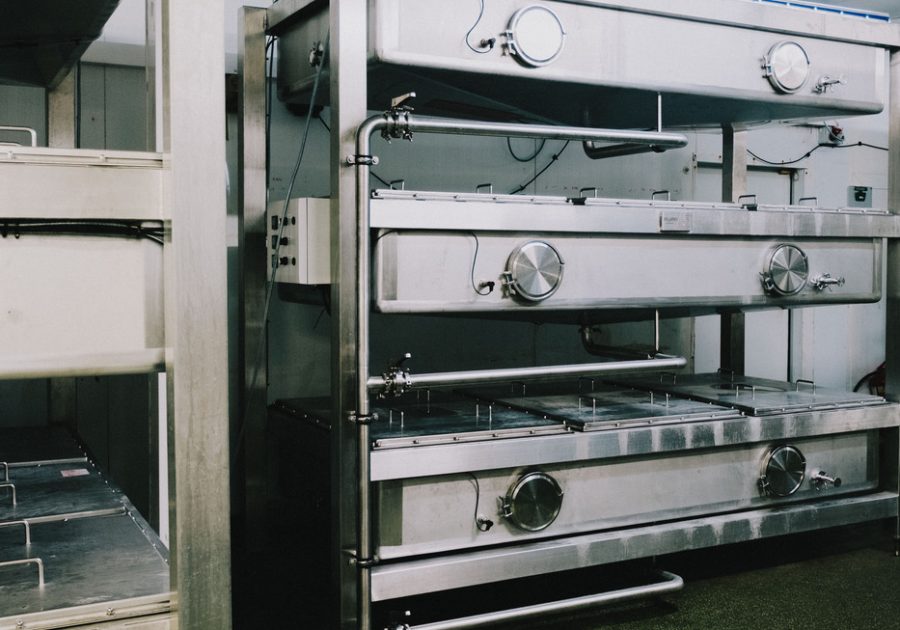
Image credit: Momo Kombucha
Momo Kombucha is evolving its production method with custom fermentation vessels and a new brewery, marking increased capacity for the rapidly scaling brand.
Since day one, Momo Kombucha has been on a mission to make the best-tasting, highest-quality kombucha. What began in small glass jars in 2018, chosen for their ability to deliver authenticity and exceptional flavour, has now evolved into something even better. After years of learning, testing and refining their process, Momo has developed a new generation of custom fermentation vessels that preserve everything that made the jars special, while pushing quality, consistency and sustainability to new heights. After 7 years brewing in New Covent Garden Market, the business has outgrown its current home and will be moving to a large, purpose-built brewery in Brixton this summer, unlocking huge opportunity for increased production.
Why is Momo Making the Switch from Glass Jars?
- Consistency – improved control over key parameters such as temperature and depth of liquid will significantly enhance consistency.
- Flavour – improved airflow into the kombucha supports complexity of fermentation and flavour.
- Health & Safety – avoiding breakages and heavy lifting of the glass jars.
- Sustainability – instead of heating the brewery 24/7, each vessel is temperature controlled, which should lower our emissions.
Designed exclusively for Momo, the new fermentation vessels are the result of more than two years of intensive research, testing and engineering. The concept was first developed in 2023 by innovation manager Matt Hoyle, production manager Matt Canham and co-founder Josh Puddle as the team explored how to improve fermentation performance without compromising Momo’s authenticity, quality or flavour.
Through extensive trials, the team identified two critical drivers of fermentation quality in their original glass jars: liquid depth and airflow. Together, these factors regulate microbial activity, ensuring enough oxygen is present to support the kombucha culture while preventing unwanted alcohol formation.
Momo’s solution was to engineer a purpose-built fermentation vessel that replicates these conditions at scale. Each vessel maintains the same liquid depth as the original jars, while integrated mesh airflow screens improve oxygen transfer across the fermentation surface. Temperature-controlled heat pads beneath each vessel provide tight stability, delivering far greater consistency from batch to batch.
Beyond fermentation performance, the new system also transforms the brewing process. Previously, after ~10 days of fermentation, kombucha had to be manually poured from thousands of individual jars into bright tanks for chilling and carbonation – a labour-intensive step known as “the crash.” With the new vessels, this transfer is automated through pipework and pumps, eliminating the need to manually handle up to four tonnes of kombucha per day to reduce physical load and significantly improve efficiency.
The original prototype was built by Matt Hoyle using a repurposed stainless steel table before being iterated into a fully engineered production system through multiple rounds of testing and refinement. After validating the final design, Momo officially retired its 3,000 glass jars in December, marking a major milestone in the brand’s evolution.
Summer 2026 also sees Momo Kombucha move from New Covent Garden Market to the former Brixton Brewery site, bringing the team and all their kit under one roof for the first time in their new 16,000 square foot site. The new location and equipment will see the team go from producing 60,000 bottles per week, scaling up to 300,000 bottles per week.
Josh Puddle, co-founder of Momo, said: “Lisa and I started Momo with a clear aim to produce the UK’s best-tasting and highest-quality kombucha. That has been the number one pillar of our strategy and always will be. When we launched, fermenting in small glass jars seemed the best way to achieve that. After five years of brewing this way, we had the knowledge and confidence to take what made the jars special and engineer something even better. These new fermentation vessels allow us to improve flavour consistency while dramatically improving scalability, sustainability and safety. I’m incredibly proud of what our Innovation Manager and wider Production Team has designed and built. Most importantly, our kombucha remains, raw, full of live cultures and just as delicious as ever.
This next chapter is about creating a home that matches our ambitions. Later this month, we’re moving into the former Brixton Brewery site in Herne Hill. I believe the kombucha category in the UK is where craft beer was 20 years ago, and it feels fitting to be giving this former beer brewery a healthy facelift. The move also brings Momo back to its south east London roots, just a couple of minutes from where Lisa and I started the business from our home. It gives us the space to continue innovating, grow sustainably and introduce more people to the potential of great kombucha.”