Flexible Packaging Is Redefining the Next Era of Tea and Coffee

Barrier protection remains a packaging issue for coffee and tea. Image credit: JING Tea
Flexible packaging is no longer a niche experiment in the beverage aisle. In the tea and coffee sectors, it is rapidly becoming one of both industry’s defining packaging strategies driven by sustainability demands, changing consumer habits, and the need for greater production flexibility.
According to the 2025 Beverage Industry Packaging Trends white paper produced by PMMI, The Association for Packaging and Processing Technologies, beverage manufacturers are under mounting pressure to deliver packaging that is lighter, more sustainable, adaptable to new formats, and capable of supporting an explosion of stock keeping units (SKUs) and ready-to-drink (RTD) innovations. While the study spans the broader beverage industry, its findings strongly reflect the realities facing tea and coffee producers today.
The shift begins with consumers themselves. PMMI’s research found that sustainability and recyclability are among the most influential forces shaping packaging decisions across beverage categories. Consumers increasingly want alternatives to rigid plastics, and manufacturers are responding by exploring more flexible, paper-based, and lightweight solutions.
For tea and coffee brands, flexible packaging fits neatly into that mandate. Stand-up pouches, recyclable mono-material bags, compostable sachets, and lightweight refill packs offer a combination of reduced material usage and lower transportation costs. Flexible formats also align with premium positioning, allowing brands to create a sleek shelf presence while reducing packaging waste.
The numbers in the PMMI report underscore this movement. Flexible packaging currently accounts for 20 percent of beverage packaging among respondents, making it the second most-common format after rigid plastic. More importantly, survey participants expect flexible packaging usage to grow by 30 percent over the next two to three years. That projected increase is among the strongest gains of any packaging category in the report.
The tea and coffee markets are particularly well-positioned to capitalise on that growth because their products naturally lend themselves to flexible structures. Ground coffee, whole beans, tea sachets, instant coffee sticks, cold brew concentrates, and powdered functional beverages all benefit from lightweight, resealable packaging designs.
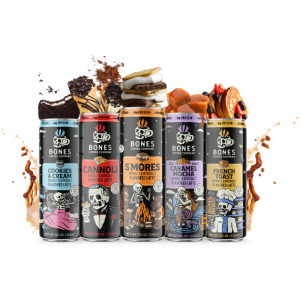
At the same time, consumer behaviour is fundamentally reshaping how beverages are consumed. PMMI’s research highlights rising demand for RTD products, single-serve options, and smaller package sizes. These trends are highly visible in coffee and tea, where cold brew cans, nitro coffee, concentrated tea shots, functional tea blends, and grab-and-go formats are gaining traction.
Flexible packaging offers manufacturers the versatility required to support that diversification. A single product line may now need to accommodate multiple sizes, seasonal flavours, wellness-focused formulations, and retailer-specific packaging configurations. PMMI’s research noted that consumers increasingly expect more flavours, more beverage types, and more package variety — all of which contribute to a growing number of SKUs.
That demand for variety is directly impacting packaging machinery investments. Nearly 68 percent of beverage companies surveyed anticipate moderate to significant increases in packaging machinery investment over the next three years. Manufacturers are seeking equipment that can quickly switch between formats, reduce downtime, and support shorter production runs.
For tea and coffee processors, this means investing in machinery capable of handling a wider array of pouch sizes, resealable closures, sustainable films, and lightweight materials without sacrificing speed or product integrity.
The PMMI report repeatedly emphasises flexibility as a core purchasing consideration. Beverage companies are looking for equipment that reduces packaging material usage while improving operational efficiency. In practical terms, tea and coffee producers are increasingly seeking systems that can handle recyclable films, compostable laminates, and minimalist package designs that use less secondary packaging.
That pursuit of efficiency also reflects rising cost pressures. Inflation, supply chain disruptions, and raw material availability remain major concerns throughout the beverage industry, according to the PMMI white paper. Flexible packaging offers one potential buffer against those pressures because it generally requires less material and less shipping weight than rigid alternatives.
Still, the transition is not without challenges.
Barrier protection remains a major issue for coffee packaging in particular. Freshness, oxygen protection, aroma retention, and moisture control are critical to preserving product quality. PMMI’s interview participants acknowledged that while consumers want sustainable packaging, not all sustainable materials currently provide the shelf-life performance required for every beverage product.
That tension is especially acute in premium coffee, where freshness can define brand reputation. Many sustainable flexible materials still struggle to match the performance characteristics of traditional multi-layer laminates. As a result, converters and packaging suppliers are racing to develop recyclable mono-material structures that retain the barrier properties required for sensitive products such as roasted coffee.
Tea packaging faces similar balancing acts. Pyramid tea bags, compostable sachets, and paper-based over-wraps are growing in popularity, but manufacturers must still ensure product freshness, durability, and machinability at high production speeds.
The PMMI white paper also points to the growing importance of supplier partnerships. Beverage companies increasingly expect machinery suppliers to provide ongoing technical support, training, and long-term service relationships. As flexible packaging formats evolve, tea and coffee manufacturers will depend heavily on OEMs and material suppliers to navigate compatibility issues and optimise production performance.
Technology integration is expected to have the most positive operational impact on beverage packaging over the next several years. Smart diagnostics, automated changeovers, and digitally connected systems are becoming essential as beverage companies manage more SKUs and increasingly complex packaging requirements.
For the tea and coffee industries, the future of flexible packaging will likely centre on three priorities: sustainability, convenience, and adaptability.
Consumers want environmentally responsible packaging, but they also demand freshness, portability, and premium experiences.
Flexible packaging sits at the intersection of those expectations. As materials improve and machinery becomes more advanced, tea and coffee brands are poised to expand their use of pouches, sachets, refill systems, and lightweight formats across both retail and e-commerce channels.
In many ways, flexible packaging is no longer simply a packaging choice for tea and coffee companies. It is becoming a strategic tool for growth in a beverage market increasingly defined by customisation, sustainability, and speed.
Rebecca Marquez is the director of custom research for PMMI, The Association for Packaging and Processing Technologies, which is organising the 2026 PACK EXPO International (18–21 October in Chicago, Illinois) among its portfolio of shows. To learn more and register, visit packexpointernational.com.
Topics
flexible packaging packaging trends ready-to-drink recyclable materials
PeopleOrganisationsRegions