
What Tea Companies Won’t Tell You About Flavouring
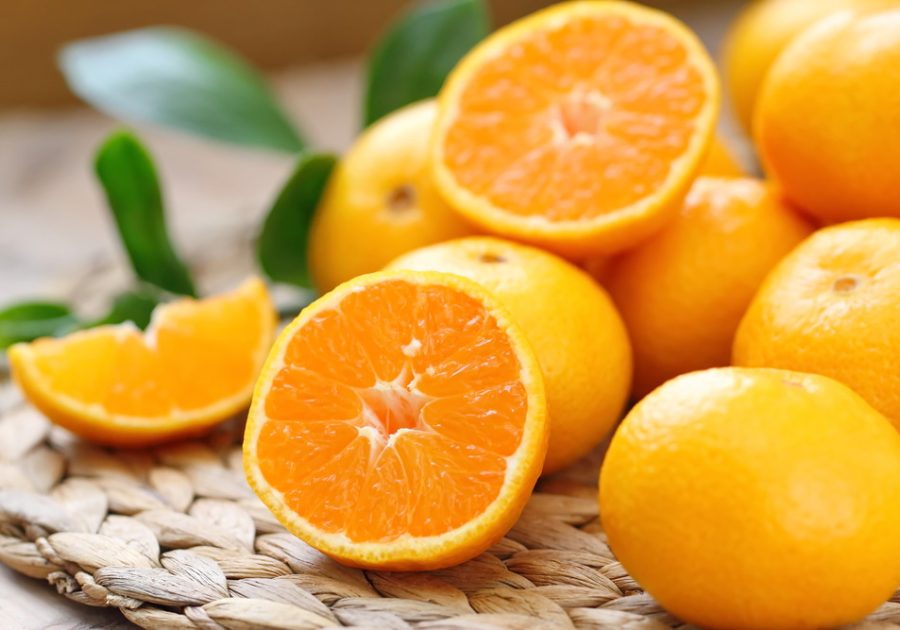
Orange juice manufacturers’ discarded materials are primary sources for orange flavouring. Image credit: lisa870-stock.adobe.com
How many Earl Grey descriptions have you read that proudly advertise their high quality bergamot oil? But wait, oil and water do not mix. So how could oil infuse an entire cup of tea with that perfumy, citrusy aroma?
The first flavouring myth to debunk is that even when the package says “oil,” it is not actually oil. Many people in the tea industry call it oil out of habit, but this is just one piece of widespread misinformation about what flavouring really is and how it works.
One of my favourite flavouring myths to debunk is about vanilla. There was a TikTok trend a few years back where people filmed their reactions to searching “where does vanilla flavour come from,” and looking horrified when the internet revealed that castoreum, an anal secretion from beavers, is a primary source of vanillin. I can tell you with 99 percent certainty that you have never ingested something containing castoreum.
Finding accurate information about flavouring is surprisingly difficult, even outside the tea world. Flip over any packaged food or beverage, and you will see “flavouring” listed without explanation. Even reputable tea suppliers often provide muddy information about their flavouring.
It is good to keep in perspective that flavouring typically comprises just 0.25 percent to 5 percent of a tea blend’s total weight before brewing. Once steeped, that drops to about 0.05 percent or less. These flavour compounds are so potent that tiny amounts create big impacts.
The Chemical Reality
Everything around us is made of chemicals, from grass to gasoline. To understand flavouring, start by thinking about a fresh strawberry. That berry contains thousands of chemicals affecting its colour, flavour, and aroma. Only a few hundred contribute to each attribute, and maybe half of those register with our senses. Those select chemicals become the foundation for strawberry flavouring.
Flavouring consists primarily of these chemicals, whether extracted from natural sources, synthesised in labs, or combined through both methods. They are mixed with food-safe solvents like propylene glycol and ethanol (both water-soluble) that help distribute them into tea. These solvents explain why flavouring is not actually “oil” as many assume.
The Regulatory Framework
There are clear definitions distinguishing natural from artificial flavours. According to the Food & Drug Administration (FDA) of the United States, with some paraphrasing, artificial flavour means any substance whose function is to impart flavour, which is not derived from a spice, fruit or fruit juice, vegetable or vegetable juice, edible yeast, herb, bark, bud, root, leaf or similar plant material, meat, fish, poultry, eggs, dairy products, or fermentation products thereof. Natural flavour, by contrast, means the essential oil, oleoresin, essence or extractive, protein hydrolysate, distillate, or any product of roasting, heating or enzymolysis, which contains the flavouring constituents derived from natural sources whose significant function in food is flavouring rather than nutritional.
The source materials determine whether flavouring gets labelled natural or artificial, but the whole picture is far more complex.
The Molecular Truth
Molecularly speaking, natural and artificial flavours can be identical. An orange flavour synthesised in a lab will have the same chemical structure as compounds extracted from real oranges. The vanillin molecule is identical, whether it is extracted from vanilla beans or produced in a lab.
This molecular identity challenges common assumptions about natural versus artificial flavours. The difference lies in production methods and source material, not the final chemical structure. Understanding this helps explain why artificial flavours can so effectively recreate natural tastes. They are not inferior copies but precise reconstructions of nature’s own compounds.
The Manufacturing Logic
Why do manufacturers use synthetic flavours? First, natural materials exist in limited quantities. Some are so scarce that natural extraction becomes cost prohibitive. Second, synthetic production minimises impurities. Natural extraction often yields unwanted compounds requiring additional processing to eliminate.
This logic extends beyond cost. Natural sources may produce inconsistent results due to weather, seasons, and agricultural variations. A bergamot harvest could yield different terpene ratios year to year, making consistent Earl Grey profiles challenging. Synthetic alternatives provide the stability commercial tea blending requires.
The tea industry particularly benefits from this consistency. Companies maintaining identical flavour profiles for decades rely on predictable flavouring, just as they adjust tea bases annually. This does not make products bad; it just ensures they meet consumer expectations over time.
The Natural Categories
Natural flavours have subcategories worth understanding. “Natural orange flavour” implies all ingredients come from oranges. But “natural flavour with other natural flavours” (WONF) might combine lime, lemon, or other citrus sources to achieve an orange-like taste.
This approach offers many advantages. Using multiple sources gives flavour houses flexibility in selecting materials and mitigates risks from weather, geopolitics, or seasonal variability. It is standard practice in tea sourcing, too. Famous breakfast blends often combine teas from multiple countries and harvests to maintain consistency across years. That cup of Yorkshire Gold has to taste the same across every batch produced.
The Functional Purpose
Flavouring’s main purpose is creating consistent, great-tasting products with extended shelf lives. Fresh food flavours are volatile and degrade quickly. Manufacturers capture these compounds and reintroduce them so flavours can be enjoyed longer with intensity similar to fresh sources.
This preservation function becomes crucial in tea, where products may sit for months before consumption. Natural aromatics in botanicals and dried fruits fade quickly, especially when exposed to light, air, or temperature changes. Added flavouring maintains the intended taste throughout shelf life.
Flavouring also enables impossible flavour combinations. You cannot infuse dried tea with fresh strawberry juice and expect a stable product. The water content would promote mould growth, and delicate compounds would degrade rapidly. Flavouring technology captures and preserves these fleeting experiences in stable formats.
The Innovation Factor
This advancement in food science introduces flavours that could not exist otherwise. You cannot pump chewing gum full of orange juice and expect orange-flavoured gum. Orange juice is mostly water, making this impossible without flavouring.
In tea, this opens endless creative possibilities. Companies offer birthday cake teas, chocolate mint combinations, and tropical blends impractical with whole ingredients alone. Dried fruits rarely impart meaningful flavour in tea blends anyway. These innovations expand consumer choice and help tea compete with other flavoured beverages.
The Sustainability Angle
A little-known aspect of flavouring is that it often supports sustainability goals. Orange juice manufacturers’ discarded materials are primary sources for orange flavouring. After squeezing oranges, flavourists extract leftover compounds needed for flavours. This practice predates modern sustainability initiatives and greenwashing.
Demand for good-tasting products exceeds what can be grown sustainably. Flavouring arguably helps deliver satisfaction with less environmental impact. As an example, artificial flavours can reduce the need for resource-intensive crops like vanilla, since meeting global demand would require far more land, resources, and exploited labour than synthetic vanillin.
The Safety Reality
Despite persistent concerns, peer-reviewed research does not support health worries about approved flavourings. Both artificial and natural flavours lack health repercussions when used at prescribed levels. Regulatory agencies maintain extensive databases backed by decades of research and toxicological studies. The approval process requires comprehensive data demonstrating safety at intended use levels.
Safety concerns often stem from misunderstanding chemical terminology and dosage. When consumers hear “chemicals” in food, they assume danger without considering that water itself is a chemical compound. Check a banana’s ingredient list and you will find plenty of intimidating, unpronounceable words.
The Practical Takeaway
Understanding flavouring science benefits everyone in the tea industry. A tea drinker who knows that artificial strawberry flavouring contains similar key molecules to natural strawberry can focus on taste and quality rather than being swayed by labelling alone.
This knowledge allows honest communication about products and processes. Rather than hiding behind vague marketing language, companies can explain their choices and help consumers find products meeting their actual needs and preferences.
Whether naturally flavoured teas, artificially flavoured blends, or single-origin treasures, understanding the science enhances the appreciation of the craft. Understanding helps consumers make choices aligned with their preferences rather than marketing misconceptions. Knowledge empowers better choices, but pleasure should guide what is in the cup.
Legal disclaimer: This article is for educational purposes and reflects current understanding of flavouring science and regulations. While I have done my best to present accurate information, food science is complex, and regulations can change. The percentages and technical details mentioned here represent general industry practices, but individual products may vary.
A seasoned tea professional with over 18 years of experience, Billy Dietz was the youngest Certified Tea Specialist in North America and a former R&D lead at DAVIDsTEA. He is the co-founder of BDH Consultants and the Steep Insights: Founder’s Circle, where he leverages his industry expertise to support global brands and startups. A prolific author and educator, he continues to shape the industry through his book Spill The Tea, his Steep Insights newsletter, and frequent contributions to trade publications.
Topics
Flavouring flavouring myths and misconceptions food flavouring regulations natural vs artificial flavours tea flavouring science tea science
PeopleOrganisationsRegions