
Australian researchers develop the world’s first ‘coffee concrete’ pavement
RMIT University of Melbourne
The most widely used substance in the entire world after water, is concrete. More concrete is used every day across the globe than any other material and it is considered one of the least nature-friendly materials ever. This led researchers from RMIT University of Melbourne, Australia, to develop an eco-friendly alternative. The result is a concrete that uses recycled material, which is made of used or spent coffee grounds.
The coffee waste cannot be added directly to concrete because it would decompose over time and weaken the building material so the used coffee is converted into biochar, a game-changing element. Biochar is created by heating the used coffee grounds to 350°C (662°F) in a low-oxygen setting, which converts them into a durable, charcoal-like substance.
Unlike organic waste, biochar remains stable over time, making it an ideal reinforcement for concrete. This groundbreaking approach addresses two major environmental issues at once: it eases pressure on the world’s dwindling sand supply, an essential but over-exploited resource and keeps coffee waste out of landfills, preventing its decomposition from fueling greenhouse gas emissions.
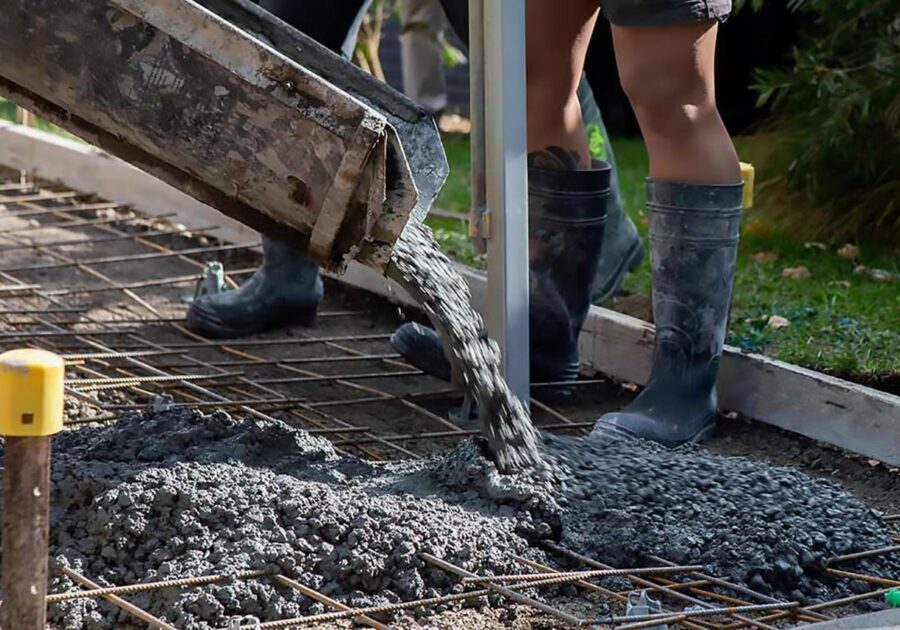
The project moved from the lab to real-world testing in July 2024. RMIT researchers partnered with local council (Macedon Ranges Shire) to conduct a world-first trial of coffee concrete in a footpath in Gisborne, Victoria. For the project, Earth Systems converted five tonnes of spent coffee grounds (about 140,000 coffees worth of grounds) into two tonnes of biochar, which was then laid into the 30 meters cubed footpath along McGregor Road in Pakenham. This trial analysed how the new material withstands daily foot traffic. Beyond sustainability, coffee biochar concrete offers economic benefits. The coffee grounds make the concrete 30% stronger than regular concrete. This increased strength could reduce construction costs by allowing up to 10% less cement in the mix, lowering material expenses and cutting the environmental impact of cement production.
Australia generates 75 million kilograms of ground coffee waste every year, with most of it going to landfills, but it could replace up to 655 million kilograms of sand in concrete because it is a denser material. Globally, 10 billion kilograms of spent coffee is generated annually, which could replace up to 90 billion kilograms of sand in concrete.
This groundbreaking trial has laid foundation for a more sustainable future in construction. By repurposing waste into building materials, this can reduce environmental footprint while enhancing infrastructure durability. Now, if only the coffee concrete could smell like coffee too!
Dominique Huret has been a journalist covering the beverage and packaging sectors since 2005. She writes in French, English, and Dutch for several press groups, and is also the co-founder of Cape Decision consultancy based in Brussels, Belgium. She may be reached at [email protected].
