Optimising inventory management
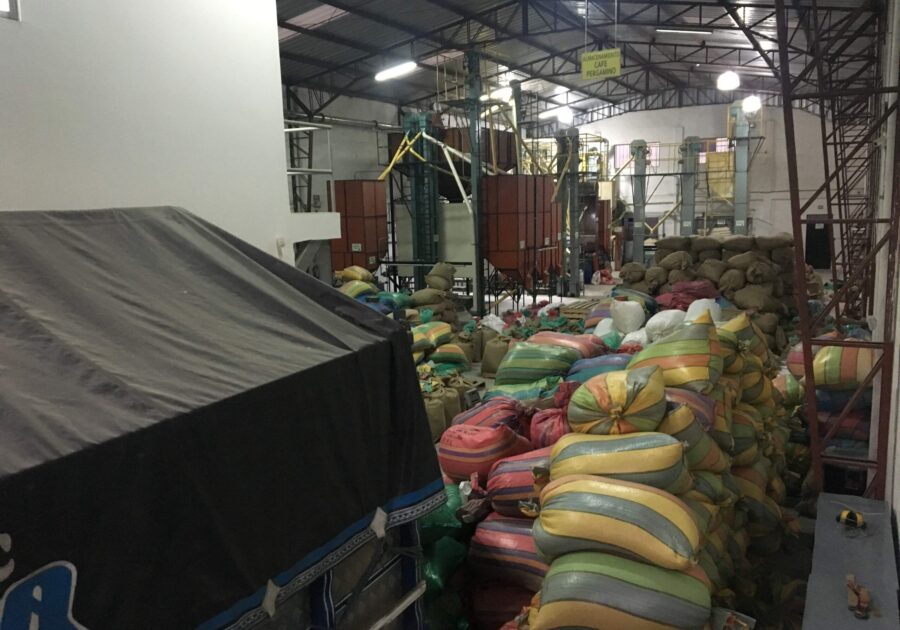
Image credit: Caravela Coffee
Managing inventory for specialty coffees and teas requires careful planning and execution. Businesses must ensure that they are able to keep sufficient inventory without risking too many of the products passing the expiration date. Demand for specialty food items fluctuates, so companies must develop a dynamic inventory plan that accommodates these changes. By implementing best practices and technology into the inventory management system, industry professionals can improve the customer experience while minimising waste.
Common inventory management methods
Businesses can take a variety of approaches to managing inventory. The right method depends on several factors, such as the size of the inventory space and the demand for a certain product. Common inventory management methods include:
- First-in, First-out: The first-in-first-out approach emphasises selling the products that have been in inventory the longest, reducing waste and ensuring a greater consistency of product freshness.
- Just-in-time: A just-in-time inventory strives to manage the supply chain in a way that allows for meeting demand without keeping as much in inventory. This approach works best for businesses with limited storage or a smaller range of products for sale.
- ABC analysis: With the ABC method, companies organise products according to value and demand, determining marketing and placement based on those categories. Grouping products by demand can provide a greater opportunity to market and cycle products.
- Economic order quantity: The economic order quantity method requires a detailed analysis of demand, determining the ideal inventory to have at any given time. This approach presumes a careful balance between warehousing costs and supply chain complications.
Any inventory management method requires regular evaluation for accuracy. Each approach has a variety of technological tools to assist.
Technology to improve inventory management
Modern inventory management uses technology to increase accuracy, decrease waste, and improve the speed of routine tasks. These technological advances can help businesses meet customer demand for quality, freshness and quantity.
Barcode Scanning
Manual counting of inventory items increases the likelihood of error, while barcodes and QR codes can cut down on these problems. Inventory management systems simplify the process of creating a unique barcode or QR code for each product so that businesses can scan upon receipt and track existing inventory. In some cases, these systems can automatically track the movement of coded products for loss prevention and better accuracy in counts.
Lot ID Tracking
Supplies often arrive in lots with specific expiration dates and other details. Tracking inventory by lot ID provides several opportunities for businesses to decrease waste and confirm product quality. Managing inventory by lot ID can simplify the process of clearing out expired products or ensuring that the oldest products go out first.
Demand forecasting
Inventory management only works with an understanding of demand, which technology can often handle more accurately than humans. Demand forecasting involves a detailed look at existing purchasing, combined with global trends and political concerns. Artificial intelligence can collect data and process it to reveal upcoming trends. With trend forecasting, businesses can make sure that they have sufficient inventory when demand is high without leaving too much inventory to sit when demand drops.
Supply Chain Planning
Because teas and coffees can only be grown in certain regions, companies selling specialty tea and coffee products depend on a robust global supply chain. Supply chain interruptions happen as a result of weather, economic instability, or political change. An AI-powered supply chain planning system can help businesses increase the resilience of their supply chain so that they can receive shipments consistently.
Finding the right inventory management system calls for businesses to evaluate their goals and target the approach that works best for their future plans. Technology increases the accuracy of inventory while providing opportunities to eliminate waste and unnecessary expenditures. By considering these technological solutions, companies can identify ways that tools could improve their operations.
- Gary Brooks is the CMO of ketteQ. He has more than 25 years of experience leading marketing for top software companies. Brooks has been featured in major publications such as Forbes, VentureBeat, ZDNET, Equipment World, Nikkei, Manufacturing Business Technology, Supply & Demand Chain Executive, and Field Service News, among others. Brooks holds a BS from Northeastern University and an MS, Management from Lesley University. He is also the co-founder of the Brooks Family Foundation.