
Genetics may explain why many consumers prefer their coffee black
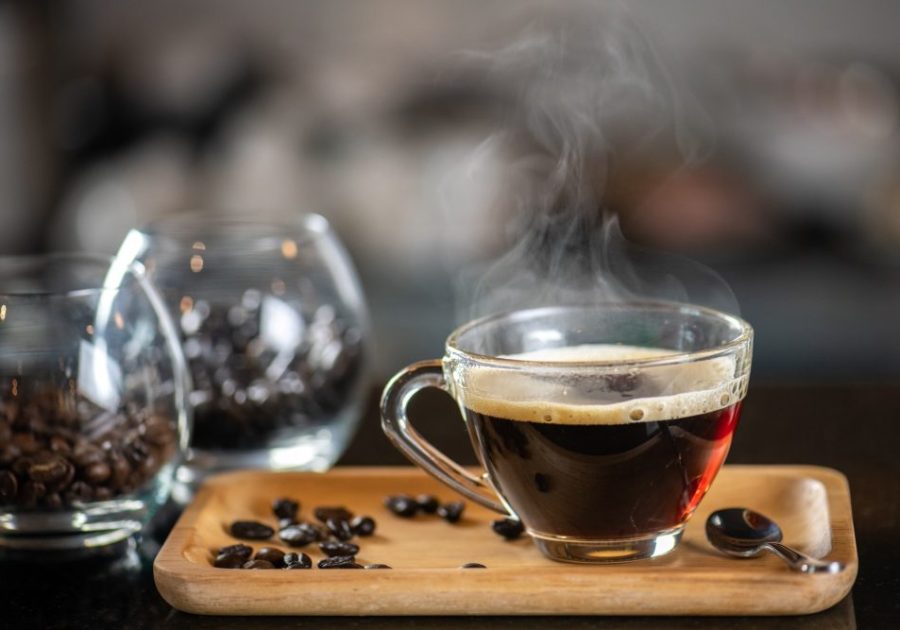
Credit: AdobeStock
In this age of multi-coffee concoctions from hazelnut lattes to pumpkin spice cold brews to peppermint mochas, throngs of coffee drinkers get excited for the new coffeehouse menu and retail offerings each season brings, there are still the diehard ‘black coffee’ drinkers.
Are they above coffeehouse fray or is there a reason they prefer their no-frills black coffee?
A new study published in the Journal of Nutrition may explain why some people happily drink their coffee black while others prefer to soften the bitterness with milk or sugar.
According to researchers at the UK Biokank, which conducted the study, genetic variation is implicated in individual preferences for bitter-tasting foods. However, previous studies have focused on candidate genes and limited varieties of bitter-tasting foods and have treated food preference scale responses as continuous data.
The Biobank study aimed to identify genetic variants associated with preferences for bitter-tasting foods using ordinal multinomial regression models in genome-wide association studies (GWAS). In addition, post-GWAS functional annotation and mapping, genetic correlations, and associations with dietary intake were examined.
Researchers analysed data from 125,578 UK Biobank participants and found that genetic variants linked to how the body processes caffeine were associated with preferences for bitter-tasting foods and beverages, including coffee.
Researchers concluded that genetic variation contributes to preferences for bitter-tasting foods among adults, and some links with food intake are detectable. Nevertheless, effect sizes are small and inconsistent, reflecting the multifactorial complexity of food intake.
Key findings from the study included:
- People with certain genetic variants appeared more likely to enjoy bitter flavours.
- Variants involved in caffeine metabolism were linked to coffee taste preferences.
- The findings suggest coffee preferences may be influenced by biology as well as habit, culture, and environment.
- The research highlights opportunities for greater understanding of consumer taste differences and personalised nutrition approaches.
The study offers an interesting perspective on coffee consumer behaviour and why there is no one-size-fits-all approach to flavour preferences, which is welcome news for coffee roasters, flavour & ingredient suppliers, and of course, coffee shops/cafés and retailers.
Whether the consumer wants a cappuccino, a double espresso, a ‘regular with cream and sugar’, a grande pumpkin spice latte, or a large black coffee, the correlating factor – and of utmost importance – is that consumers are buying and drinking coffee, which benefits the entire coffee value chain from the coffeehouse and home consumer back to the coffee producer.
- Vanessa L Facenda is editor of Tea & Coffee Trade Journal. She may be reached at: [email protected].