
Mechanisation widens the gender discrepancy
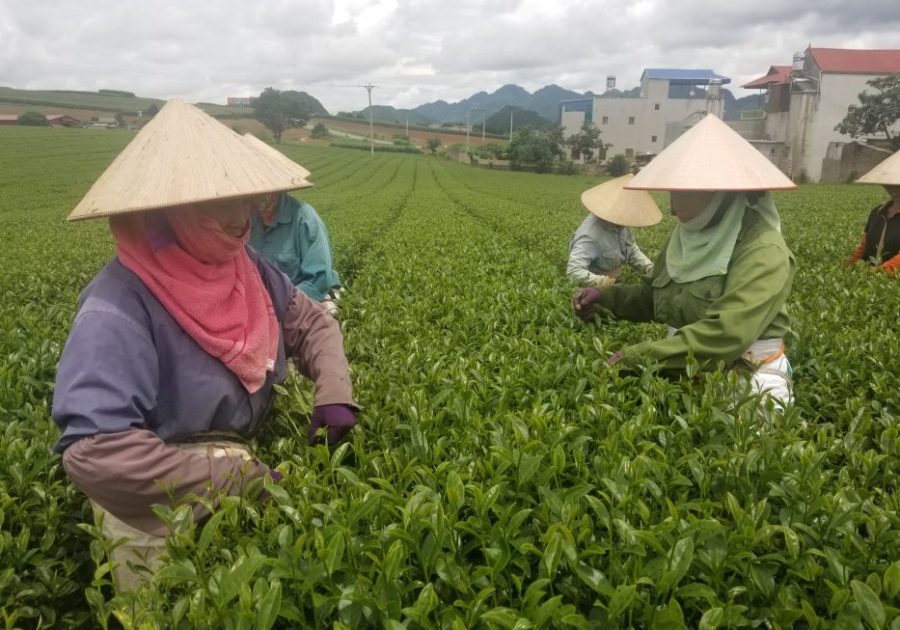
Credit: Vanessa L Facenda
If I ever had a ‘senior moment’, it was last week. I knew last Thursday was ‘May 21st‘ but for some reason, it did not register until after the fact that the 21st was also International Tea Day, despite Tea & Coffee Trade Journal promoting it our online and print calendars for months. I am still annoyed at and disappointed with myself for missing such a wonderful opportunity to address a critical issue within the tea industry, and one that particularly impacts women in tea. It may no longer be International Tea Day, but the issue remains relevant and needs to be spotlighted.
The United Nations General Assembly (UNGA) designated this year the International Year of the Woman Farmer (IYWF). To promote IYWF, throughout 2026, the UN is raising awareness, highlighting actions that can help close the gender gap, as well as guiding and channelling policymaking, programming, and increased investment. At our recent Women in Tea & Coffee Conference (May 6th in London), Zahra Afshar, head of legal, human rights and sustainability, at Ahmad Tea, during her keynote presentation, discussed how women are the backbone of the tea industry but the threat of mechanisation and access to technology is widening the gender discrepancy. “The tea industry is in the hands of men, built off the backs of women,” she said.
Afshar reminded attendees that women’s “skilled hands plucking tea” are essential to quality. She said that as a monocrop, the tea industry needs to be careful with moving too quickly to mechanisation of the tea bushes. Afshar explained that transitioning too rapidly to automation can negatively affect the quality of the tea grade, noting that hand-plucking prunes back the tea bush carefully and helps strengthen the yield over time.
As more tea farms move to mechanised harvesting, female farm workers will be heavily impacted, thus, Afshar stressed that we must help upskill these women, so they have jobs in the future. Beyond tea, she called for the coffee industry as well to analyse the impact that rapid technological transformation could and will have on women in their supply chains.
So, in this International Year of the Woman Farmer, are tea and coffee companies examining the impact the use of new technologies (automation/mechanisation) will have on women in their supply chains? And, as Afshar asked, “are they also ensuring that women have the right tools and opportunities to adapt to this ever-changing world?”
If not, now is the perfect time to do so.
- Vanessa L Facenda is the editor of Tea & Coffee Trade Journal. She may be reached at: [email protected].
